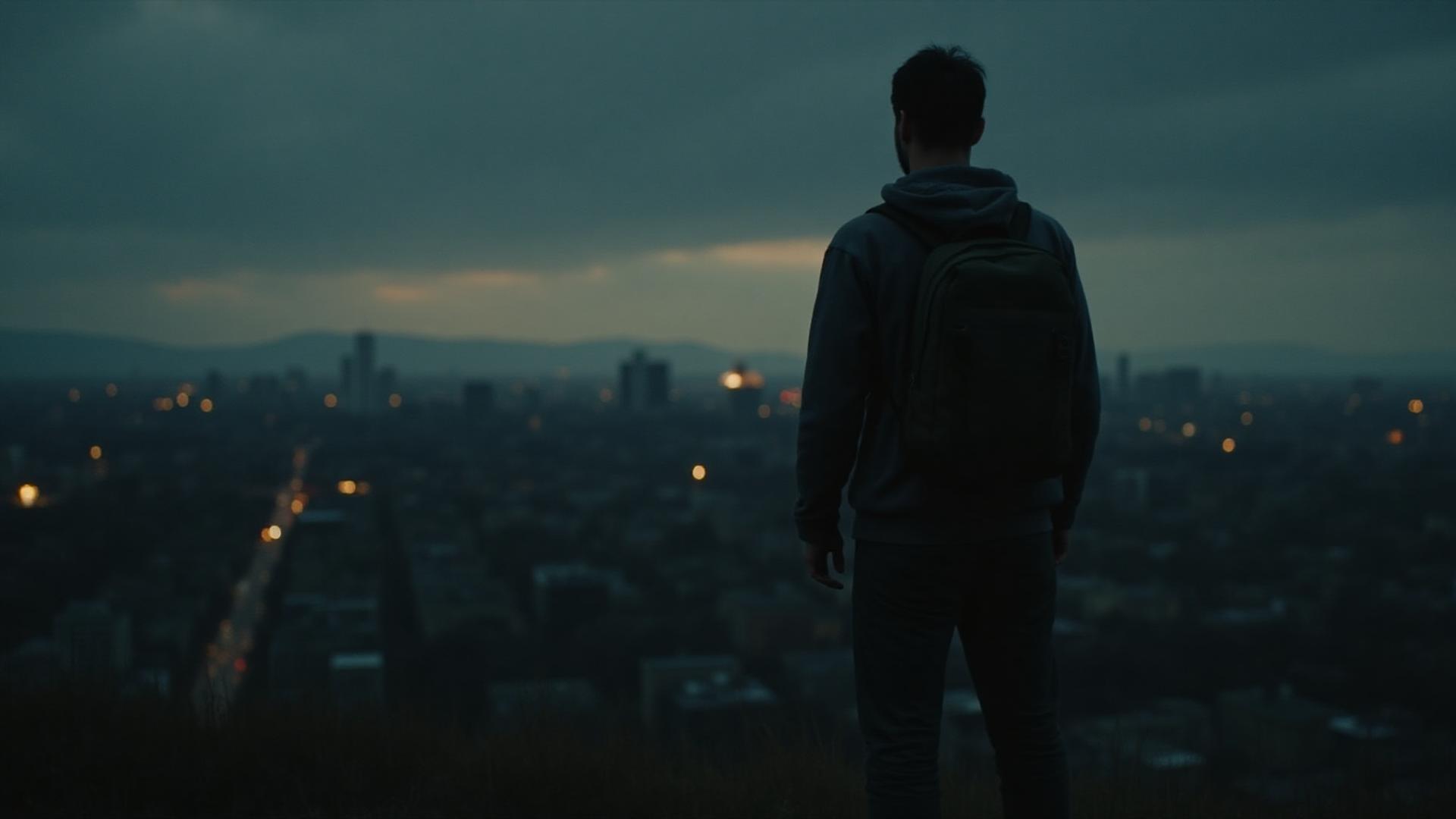
🏙️ Introduction: When Concrete Becomes the Wilderness
Most people picture "survival" as something that happens in the wild — dense forests, rugged mountains, or windswept moors. But if you live in the UK or Europe, chances are your jungle is made of concrete and steel.
From London to Manchester, Birmingham to Berlin, the true survival challenge isn't escaping into the woods — it's staying safe, calm, and resourceful when disaster hits a city.
Whether it's a blackout, terror incident, cyber-attack, or supply chain collapse, the urban survivor faces unique risks: dense populations, scarce resources, and fast-moving chaos.
This guide breaks down the skills, mindset, and gear you need to handle life in an emergency-stricken city — calmly and confidently.
⚠️ Understanding Urban Survival: The Modern Threat Landscape
Urban survival isn't just about riots or power cuts — it's about self-reliance when normal systems fail.
Here are the top urban threats facing UK and EU citizens in 2025:
- Power grid instability — With increasing energy demand and outdated infrastructure, rolling blackouts are becoming more frequent.
- Cyber and infrastructure attacks — The UK National Cyber Security Centre warns that essential services are now prime targets.
- Civil unrest — From fuel shortages to protests, city residents are often trapped between disruption and danger.
- Extreme weather events — Floods, storms, and heatwaves are straining city utilities and emergency services.
- Pandemics or supply chain shocks — Supermarkets can run dry in just days.
(Source: gov.uk National Risk Register 2024).
Knowing these threats means you can prepare for them before they happen — that's what separates city preppers from ordinary residents.
🧭 Step 1: Develop the Urban Survivor Mindset
Every survival scenario begins with the same question: What can I control right now?
Urban survival is 80% mental resilience and 20% equipment. You need to stay aware, calm, and adaptable.
🧠 The Three Urban Survival Principles
- Awareness: Know your exits, alternative routes, and danger zones (crowded areas, transport hubs).
- Adaptability: Have backup plans for communication, power, and transport.
- Resourcefulness: Learn to improvise with what's around you — the city is full of hidden resources.
Pro tip:
Regularly run through "what-if" scenarios — "What if my phone dies?" "What if the Tube stops running?" "What if I can't get home tonight?"
These small rehearsals build reflexes that could save your life when panic sets in.
🧰 Step 2: Build a Realistic Urban Survival Kit
Forget the Hollywood version of prepping — you don't need a bunker full of tinned beans.
A city prepper focuses on mobility, stealth, and essentials.
🪶 Everyday Carry (EDC):
Your EDC should fit in a small pouch or rucksack you can grab instantly:
- Compact first aid kit
- Power bank + charging cable
- Torch or headlamp
- Reusable water bottle + filter straw
- High-calorie snacks (energy bars, trail mix)
- Multitool (non-locking UK-legal blade)
- Face mask / dust filter
- Compact poncho
- Emergency cash (£20 notes)
- USB with personal documents & ID scan
(See also: EODSurvival's UK-Legal Everyday Carry Guide).
🏠 Home Urban Survival Kit
If power or water cuts hit, your home becomes your base:
- Water: 10L per person (minimum three-day supply)
- Non-perishable food (rice, pasta, tinned goods)
- Battery or solar radio
- Candles / LED lanterns
- First aid & medication
- Fire extinguisher
- Hygiene items (wipes, gloves, soap)
- Backup heating source (propane or camping stove — use safely!)
(See also: Emergency Food Storage Guide).
🏃 Step 3: Plan Your Routes and Safe Zones
If things get chaotic, mobility and planning make the difference between panic and safety.
🚶 Create Your Personal Evacuation Map
- Mark your home, work, and frequent routes on a physical map.
- Identify three escape routes from each: primary, secondary, and backup.
- Note safe buildings like police stations, libraries, or hospitals.
- Avoid major roads and crowded areas in civil unrest.
- Pre-arrange meeting points with family or friends.
Offline tools: Apps like OS Maps or AllTrails UK allow offline downloads of your local area.
🚇 Public Transport Awareness
During blackouts or attacks, public transport may halt instantly. Learn to navigate your city on foot. Keep a folded map in your wallet — not everything runs on GPS.
🏙️ Step 4: Urban Skills Training
This is where "city prepping" becomes real.
Learn skills that make you self-reliant when infrastructure fails.
⚡ Critical Urban Survival Skills
- Situational awareness: Spot unusual behaviour or danger before it escalates.
- First aid & CPR: Take a British Red Cross or St John Ambulance course.
- Basic home repair: Know how to isolate gas, water, and electricity.
- Fire safety: Understand evacuation procedures and extinguisher use.
- Water purification: Boiling, filtering, or chemical tablets — see Water Filtration Guide for UK Preppers.
- Communication: Learn to use PMR446 radios (Ofcom licence-free).
"The best survival tool isn't in your pocket — it's in your head."
You can also take urban survival training courses in the UK — companies like Trueways Survival, Wildway Bushcraft, and UK Prepping School offer urban-specific modules for civilians.
🔒 Step 5: Secure Your Home
Urban preppers don't need to turn their flats into fortresses, but layers of security deter threats during unrest or blackouts.
🔐 Practical Urban Security
- Fit window locks and door bars.
- Keep curtains closed during blackouts — light attracts attention.
- Store valuables discreetly (avoid obvious hiding spots).
- Install a battery-backup alarm system.
- Keep a charged power bank by your bedside for emergencies.
If you live in an apartment, familiarise yourself with fire escapes and stairwell exits — elevators may fail during outages.
⚙️ Step 6: Community and Communication
No one survives alone — especially in a city.
👥 Build a Local Network
Get to know your neighbours; most people are unprepared. In a crisis, a few reliable contacts mean shared skills, supplies, and information.
Consider joining or following local preparedness communities on Reddit (r/PreppersUK) or Facebook UK Preppers Network.
You'll also want to:
- Sign up for UK Emergency Alerts
- Register for your local utility's Priority Services Register (for vulnerable users)
- Use family WhatsApp groups or radio codes for communication when mobile data fails
💬 Step 7: Keep Learning and Adapting
City environments evolve — so should your survival plan.
Schedule an annual "urban resilience check": review your supplies, refresh water, test gear, and update emergency contacts.
Follow reliable sources like:
Disasters don't need to define you — your preparation does.
💡 Summary: Stay Smart, Stay Mobile, Stay Ready
Urban survival isn't about fear — it's about foresight. It's about protecting your loved ones, staying calm, and making smart decisions under pressure.
In a crisis, the urban survivor's creed is simple:
Stay alert. Stay adaptable. Stay human.
❓ FAQ: Urban Survival in the UK (2025)
Q1: What's the first thing to do in an urban emergency?
Stay calm. Get information — via radio, emergency alerts, or verified government updates. Avoid crowds and unnecessary travel.
Q2: Is urban prepping legal in the UK?
Yes. Owning emergency gear, radios, and first aid supplies is entirely legal — just ensure any knives comply with UK knife laws.
Q3: How long should I prepare to be self-sufficient for?
Start with a 72-hour blackout plan, then expand to a 7-day and 30-day resilience setup.
Q4: What's the best UK urban survival course?
Look for certified providers such as Trueways Survival or Wildway Bushcraft that offer city-based training modules.
🧠 Related Guides
Ready to Master Urban Survival?
Explore more essential survival guides and gear reviews
View All Survival Training