Why Power Cuts Are Back in the Spotlight
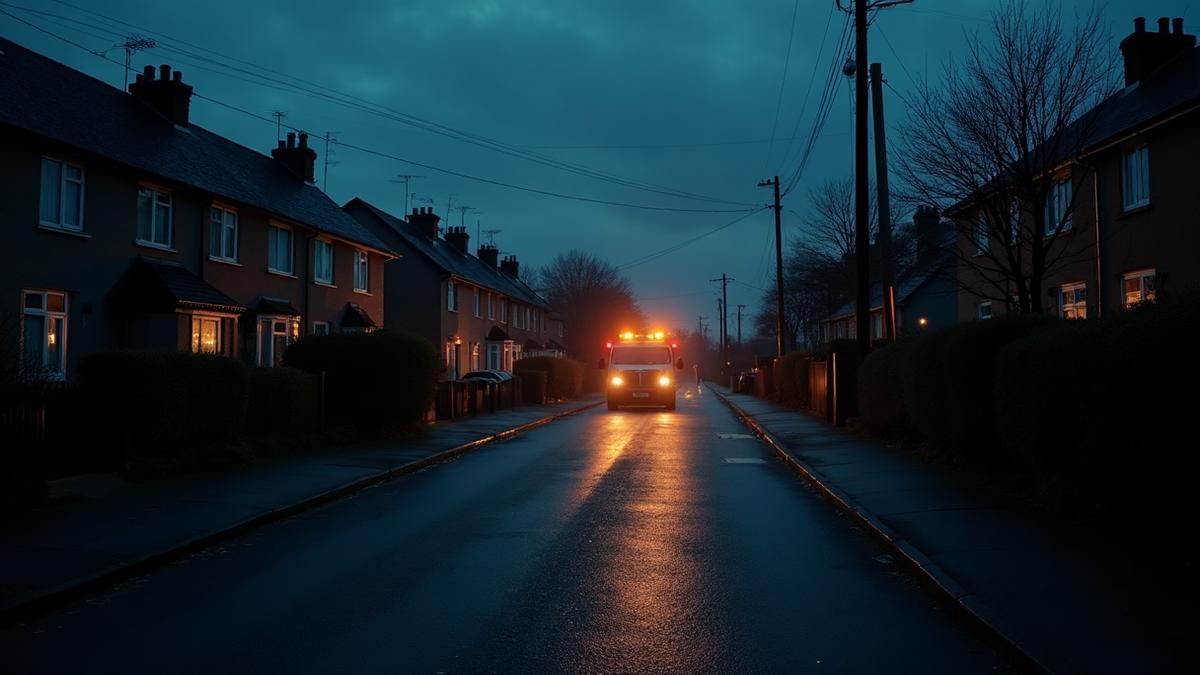
Flick. Everything goes dark. The heating clicks off, your Wi-Fi dies, and the kids immediately ask if the Xbox is broken. Welcome to the UK power cut survival experience — 2025 edition.
While the UK is not exactly living in rolling blackouts like some parts of the world, power cuts and grid stress are becoming more common. Storms batter the lines, ageing infrastructure struggles under demand, and the energy system is more complex than ever. From Storm Arwen in 2021 to the nationwide outage in 2019, we've had a reminder that the lights don't always stay on.
So, what can you do when the lights go out? This UK Power Cut Survival Guide will walk you through what to expect, how to react, and how to prepare your home for a 72-hour blackout.
What Causes Power Cuts in the UK?
Weather Events
The obvious culprit: storms, snow, floods, and heatwaves. High winds knock down overhead lines. Floodwater invades substations. Heatwaves push demand into overdrive as everyone reaches for fans.
Infrastructure Failures
Much of the UK grid is decades old. Substations and pylons require constant maintenance, and sometimes things break at the worst possible moment.
Generation & Supply Shortfalls
We live in an interconnected Europe-wide energy system. If supply margins are tight and a large generator trips offline, the National Grid may have to shed demand — that's a polite way of saying planned blackouts.
Real-World Examples
- Storm Arwen (2021): Thousands were without power for more than a week in parts of northern England and Scotland.
- August 2019 Outage: Nearly 1 million people affected after a lightning strike triggered a system cascade.
What to Do in a Power Outage (Step by Step)
When the power drops, here's your blackout checklist:
Step 1: Stay Calm & Check Safety
- Avoid using candles (fire risk). Use torches or LED lanterns instead.
- Turn off appliances like ovens, irons, and hobs.
Step 2: Check the Scope of the Outage
- Look outside — are streetlights or neighbours out too?
- Check your local Distribution Network Operator (DNO) site (UK Power Networks, Northern Powergrid, etc.) on mobile.
- Turn on a wind-up or battery radio for official updates if mobile data fails.
Step 3: Preserve Power & Food
- Keep fridge/freezer doors shut. A full freezer stays cold for 48 hours if unopened.
- Use power banks sparingly — top up phones in "low power mode."
- Save battery lights for when you need them.
Step 4: Communication
- Enable UK Emergency Alerts on your phone. These are now tested annually.
- Keep PMR446 radios handy for family or neighbour coordination if mobile networks are down.
Step 5: Wait Smartly
- Unplug sensitive electronics or use surge protection — when power comes back, it can spike.
- Stay warm: layer clothing, use blankets, gather in one room to conserve heat.
Preparing Your Home Before a Blackout
The real trick isn't surviving the cut — it's being ready before it happens.
Build a Blackout Kit
- Portable power station (EcoFlow, Jackery) for phones, laptops, and medical devices.
- LED lanterns and torches — rechargeable is best.
- Battery banks for each household member.
- Wind-up/solar radio for updates.
- Spare batteries in multiple sizes.
Food & Water Preparedness
- Store 3 litres of water per person, per day (minimum 3 days).
- Stock up on shelf-stable foods: tins, pasta, UHT milk, oat bars.
- Have a manual can opener (yes, really).
- Consider a camping stove with safe indoor fuel (read safety instructions carefully).
Medical & Safety
- Keep a BS 8599-compliant first aid kit at home.
- Store a 7-day supply of critical prescriptions.
- Have a fire extinguisher and blanket near cooking areas.
Comfort & Sanitation
- Warm blankets and sleeping bags.
- Hygiene supplies: soap, wipes, sanitary products, bin bags.
- Dust masks (FFP2/FFP3) for fire or pollution events.
Long-Term Resilience & Community
Prepping isn't just about your home — it's about your street and community.
- Talk to neighbours: know who has medical needs, who has equipment, and who can help.
- Sign up for the Priority Services Register if you're elderly, disabled, or have medical dependence on electricity. You'll get extra support during outages.
- Keep an eye on government updates and local council guidance.
The Role of Emergency Alerts
Since 2023, the UK Emergency Alert system sends text-style sirens to phones during crises. Expect alerts during:
- Severe flooding
- Major public safety threats
- National blackout emergencies
Make sure alerts are enabled in your phone settings. Not all phones default to "on."
Quick Blackout Checklist
- ✔️ Torches, lanterns, spare batteries
- ✔️ Power banks and a portable power station
- ✔️ Wind-up/solar radio
- ✔️ 3 days of food and water per person
- ✔️ First aid kit + prescriptions
- ✔️ Warmth: blankets, clothing layers
- ✔️ Priority Services Register if eligible
- ✔️ Printed contact list
Final Thoughts: Prepared, Not Paranoid
A power cut in the UK is usually an inconvenience, not a catastrophe. But with storms intensifying, supply margins tightening, and infrastructure under strain, blackouts are a real risk worth preparing for.
The good news? With a simple 72-hour blackout kit, you'll not only be ready for the next outage — you'll be calmer, safer, and more resilient than most of the country.
Preparedness isn't about fear. It's about removing fear. Because when the lights go out, you'll know exactly what to do.
A power cut in the UK is usually an inconvenience, not a catastrophe. But with storms intensifying, supply margins tightening, and infrastructure under strain, blackouts are a real risk worth preparing for.
The good news? With a simple 72-hour blackout kit, you'll not only be ready for the next outage — you'll be calmer, safer, and more resilient than most of the country.
Preparedness isn't about fear. It's about removing fear. Because when the lights go out, you'll know exactly what to do.