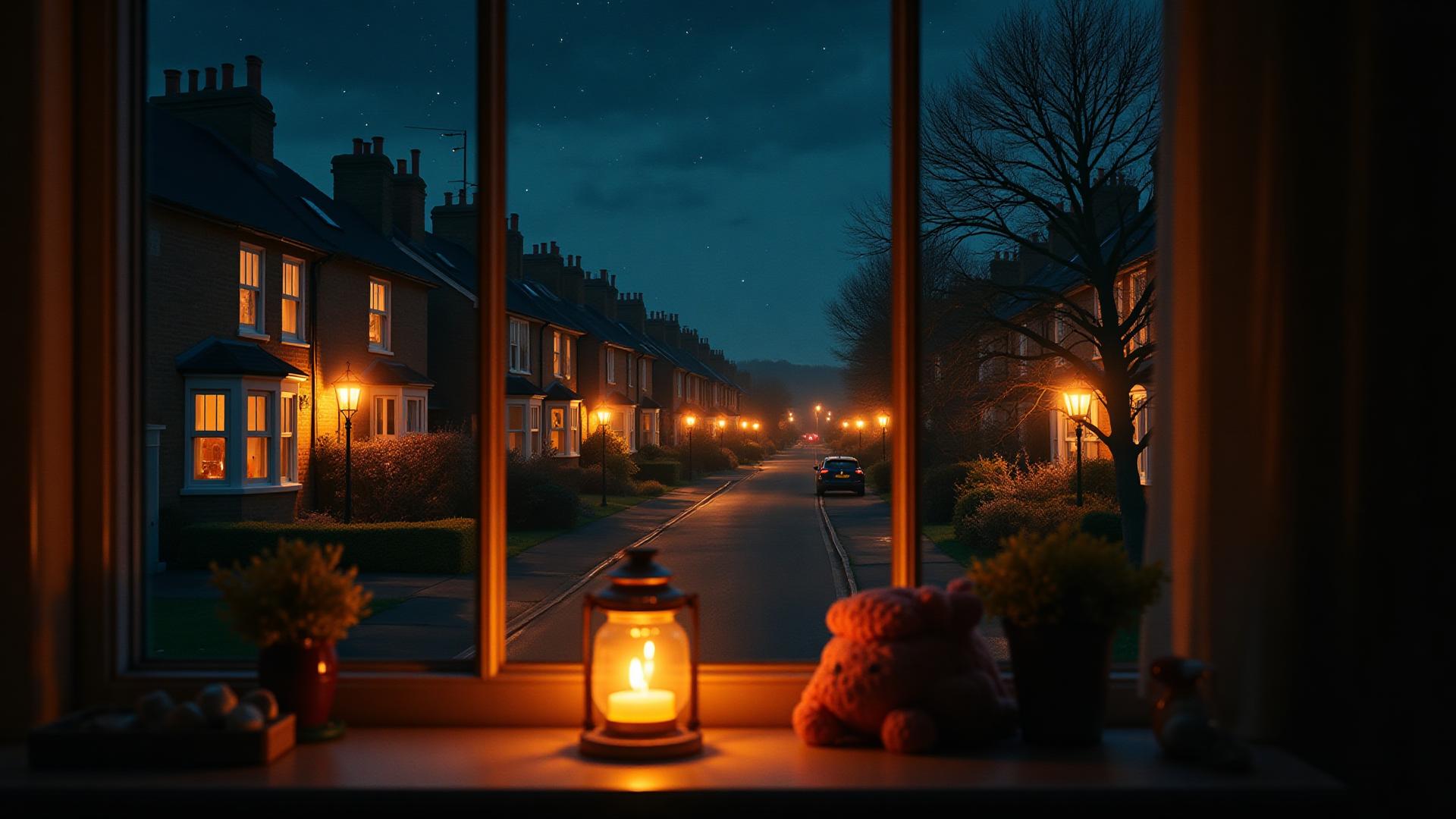
🌩️ Introduction: When the Lights Go Out
Picture it: the TV dies mid-news, streetlights flicker, your router goes silent — and suddenly, your world shrinks to candlelight.
For most people, blackouts are an inconvenience. For preppers, they're a reminder of how dependent we've become on the grid.
The UK power grid is among the most advanced in Europe, but 2025 has brought new stress tests: aging infrastructure, cyber threats, and global energy volatility. Whether it's a local outage or a nationwide failure, preparation is the difference between discomfort and disaster.
This guide will help you:
- Understand why blackouts happen
- Build a blackout-ready home kit
- Recover safely and smartly when the power returns
⚙️ 1. Why Blackouts Are Increasing in 2025
Blackouts aren't just bad luck — they're predictable outcomes of systemic strain. In 2024–2025, National Grid ESO and Ofgem warned that the UK grid faced "tight margins" due to:
- Aging Infrastructure: Much of the grid wiring dates to the 1960s–80s.
- Extreme Weather: Floods and winter storms knock out substations yearly.
- Cyber Threats: State-sponsored and criminal attacks target grid controls.
- Energy Imports: UK relies on continental power interconnectors — fragile in crises.
- Green Transition Lag: Renewable storage capacity still lags demand surges.
📰 Source: National Grid ESO Winter Outlook
In other words, a major blackout isn't science fiction — it's a realistic scenario to prepare for.
🔦 2. The Blackout Survival Hierarchy: What to Prioritise
When the lights go out, your first three priorities are simple:
| Priority | Timeframe | Goal |
|---|---|---|
| 1. Light & Safety | Minutes | Prevent accidents, orient yourself |
| 2. Communication | 15 min | Check cause, duration, official advice |
| 3. Power & Warmth | 1–3 hr | Maintain heating, food, and morale |
💡 3. Essential Blackout Kit (UK Ready)
A reliable 72-hour home kit should include:
⚡ Power & Lighting
- LED Lanterns: Long battery life, safer than candles (e.g. Goal Zero Lighthouse).
- Headlamps: Keeps hands free.
- Battery Packs / Power Banks: 20,000 mAh + capacity.
- Rechargeable Torch or Crank Light: Never runs flat.
- Solar Lantern / Small Panel: For daytime recharging.
🔋 Communication & Alerts
- Wind-up / Battery Radio: Stay informed via BBC or local channels.
- Fully Charged Mobile & Power Bank.
- Portable Wi-Fi / 4G Router (optional).
🥫 Food & Water
- 3 days' shelf-stable food: Canned beans, soups, rice pouches, oats.
- 5 litres of water per person per day.
- Manual can opener.
🧣 Warmth & Shelter
- Blankets & sleeping bags.
- Emergency foil blankets.
- Layered clothing.
🩹 First Aid & Safety
- Basic first-aid kit.
- Battery CO alarm & smoke detector.
- Essential medications.
🔋 4. Backup Power: Stay Connected When the Grid Fails
Generators are one option — but not the only one.
| Power Option | Pros | Cons |
|---|---|---|
| Battery Power Station | Quiet, safe indoors, solar-rechargeable | Limited runtime |
| Petrol / Diesel Generator | Long runtime | Noise, fumes, storage |
| Solar Panels + Battery Bank | Sustainable | Weather-dependent, costly upfront |
| Vehicle-based Power (12 V inverter) | Quick temporary solution | Drains car battery if misused |
🏠 Tip: Choose systems certified to UKCA / CE standards, and never run fuel generators indoors.
🌡️ 5. Food, Fridges, and Freezers During a Blackout
- Keep doors closed: A full freezer stays cold for ~48 hrs.
- Move perishables to cooler areas (garage, balcony).
- Cook perishables first — on a camping stove or BBQ (outdoors only!).
- Restock ice blocks in advance to extend life of chilled goods.
🧊 External Reference: Food Standards Agency — Safe Food in Power Cuts
🧠 6. Mental Readiness: The Prepper's Edge
Blackouts trigger panic — especially for families reliant on tech and Wi-Fi. Calm breeds competence.
- Keep a printed checklist.
- Assign roles: lighting, comms, heating.
- Practice drills: once per quarter.
- Teach kids not to fear the dark — give them a lantern job.
Preparedness isn't paranoia — it's peace of mind.
🧰 7. After the Lights Return: Safety Checks
Before flicking every switch on again:
- Inspect plugs and extension leads for moisture.
- Reset clocks, alarms, routers, and heating timers.
- Re-freeze partially thawed food only if ice crystals remain.
- Restock used kit items immediately.
🔗 Related Articles
Blackout Checklist: 72 Hours at Home
Essential checklist for surviving 72 hours without power.
Emergency Lighting & Power Guide
How to power your essentials safely during outages.
Water Filtration Guide for UK Preppers
Complete guide to water storage and purification.
Cold Weather Survival
How to stay warm in extreme conditions.
🌐 External Resources
- UK Gov: Prepare for Power Cuts
- National Grid ESO: Power Cut Information & Winter Outlook
- Ofgem: Energy Resilience Updates
- Red Cross UK: Emergency Planning
❓ Frequently Asked Questions
How long do blackouts usually last in the UK?
Most UK power cuts last from a few minutes to several hours, though severe weather or grid failures can extend outages beyond 24 hours.
What should I do first during a blackout?
Stay calm, check neighbours or local outage maps, turn off sensitive appliances, and use safe battery lighting instead of candles.
Can I use a generator indoors?
Never. Petrol or diesel generators must stay outdoors with good ventilation to avoid fatal carbon monoxide poisoning.
What foods last longest during blackouts?
Canned goods, dried pulses, oats, rice, powdered milk, and long-life UHT items are safest for power cuts.
🧭 Conclusion
The question isn't if the power will go out again — it's when. But the next time it does, you'll have more than a torch and a candle. You'll have a plan.
Preparedness isn't about living in fear — it's about living without interruption when the grid fails.
⚡ EODSurvival.com — Prepared, Not Paranoid.