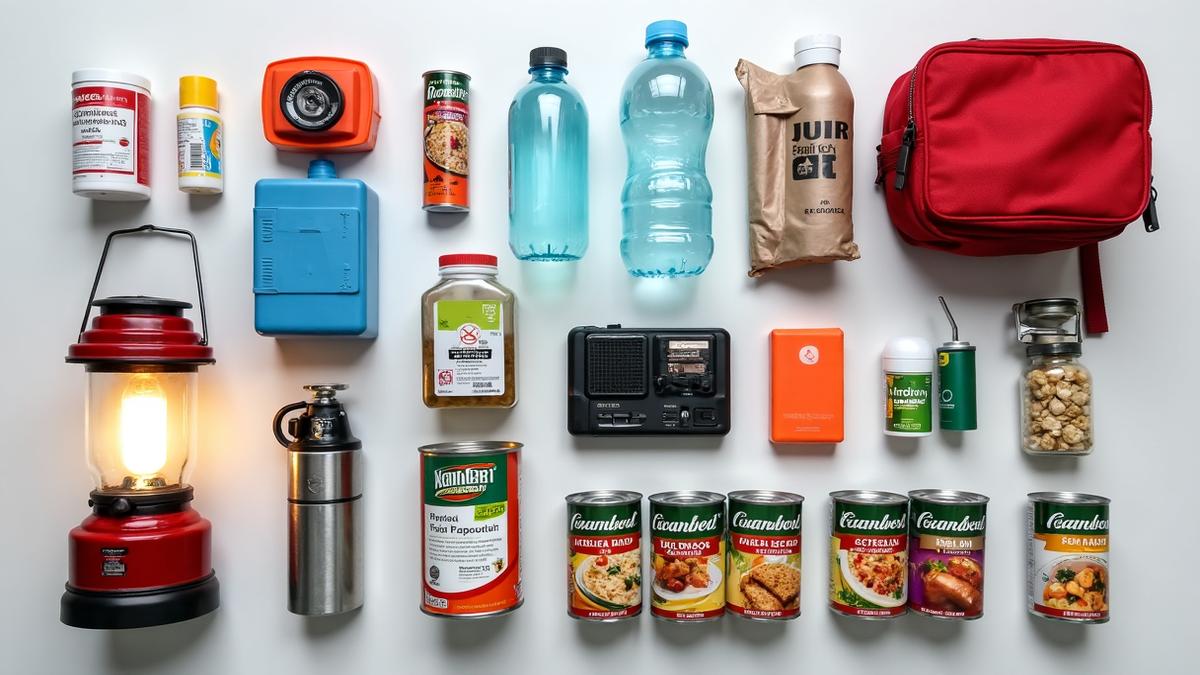
Why a 72-Hour Blackout Kit Matters
It always happens at the worst time. The lights flicker, the Wi-Fi drops, and suddenly your home feels like the set of a survival movie. The UK doesn't often experience long blackouts, but Storm Arwen in 2021 left thousands without power for more than a week, and in 2019 a lightning strike cut power to nearly a million people.
So here's the reality: even if blackouts are usually short, a 72-hour blackout kit is the smart baseline for every UK and EU household. With three days of supplies, you'll be covered for storms, floods, or grid failures without having to panic-buy when the lights go out.
This guide walks you through the essential blackout checklist—what to pack, why it matters, and how to prep without falling into fear or over-spending.
What You Need to Know Before Building a Blackout Kit
How Long Do Blackouts Last in the UK?
Most power cuts last a few hours. But severe weather events prove that multi-day outages are possible—especially in rural areas where crews need days to repair lines.
Why 72 Hours?
Emergency planners and the British Red Cross recommend preparing for three days without power, water, or reliable access to shops. This is long enough for authorities to restore most services or set up emergency shelters.
Local Laws and Realities
Unlike the US, where generators are common, UK and EU households face tighter regulations. That's why your blackout kit should focus on battery power, LED lighting, and safe indoor cooking solutions rather than petrol generators.
⚡ Power & Lighting Essentials
When the power's out, your first priority is light and power for communication.
Portable Power Station (Optional but Recommended)
- Models like the EcoFlow Delta 2 or Jackery Explorer can keep phones, routers, and small appliances running.
- Look for LiFePO₄ batteries, fast AC charging, and UK sockets.
Battery Banks
- Each household member should have at least one 20,000mAh USB power bank.
- Keep them topped up—store charged and recharge monthly.
LED Lanterns & Torches
- LED is safe and efficient—avoid candles (fire hazard).
- Rechargeable lanterns with dimming modes last longest.
- Head torches free your hands when cooking or moving about.
Spare Batteries
- Stock AA, AAA, and device-specific cells. Store in a cool, dry box.
Surge-Protected Extension Leads
- When power returns, it often surges. Plug sensitive devices into surge protection.
💧 Water & Food Preparedness
Even short blackouts can affect water supply, refrigeration, and cooking.
Water
- Store 3 litres per person, per day (minimum 9 litres per adult for 72 hours).
- Use food-grade containers or bottled water.
- Add a portable water filter (LifeSaver, Water-to-Go, Sawyer) for backup.
Food
Focus on shelf-stable, ready-to-eat foods:
- Tinned beans, soup, and vegetables
- UHT milk or powdered alternatives
- Rice, pasta, oats (cookable on a camping stove)
- Protein bars, biscuits, nut butters
Rotate stocks every 6–12 months to keep them fresh.
Cooking Solutions
- Camping stove with gas canisters—safe indoors with good ventilation.
- Thermos flasks—boil water once and keep it hot for hours.
- Always follow manufacturer safety instructions.
Don't Forget the Tools
- Manual can opener
- Matches/lighters
- Heat-resistant mats for safe stove use
📡 Communication & Alerts
Information is critical when the grid is down.
UK Emergency Alerts
- Since 2023, the government uses text-style alerts for national emergencies.
- Check your phone settings to ensure alerts are enabled.
Radios
- Wind-up or solar radios ensure you get updates even if your phone dies.
- Look for models with built-in torches and USB charging.
Walkie-Talkies
- PMR446 radios are licence-free in the UK and EU.
- Useful for contacting family within a few miles.
Low-Tech Backups
- A whistle or airhorn for signalling.
- A printed contact list in case your phone battery fails.
🚑 First Aid & Safety
Emergencies are not just about power—they're about people.
First Aid Kit
- Buy a BS 8599-compliant kit—this meets UK workplace standards and works at home too.
- Stock extras: plasters, antiseptic wipes, paracetamol, ibuprofen, antihistamines, rehydration salts.
Prescription Medications
- Keep a 7-day reserve of essential prescriptions if possible. Rotate them before expiry.
Fire Safety
- Fire extinguisher and fire blanket in the kitchen.
- Never use BBQs or open flames indoors—CO poisoning is silent but deadly.
Personal Safety
- High-vis vests if you need to move about during a street-level blackout.
- Dust masks (FFP2/FFP3) for fires or heavy smoke.
- Sturdy gloves for clearing debris.
🛏️ Warmth & Comfort
Power cuts in winter can mean cold, dark nights.
Clothing & Bedding
- Layer clothing: base, mid, outer.
- Thermal socks and hats conserve heat.
- Sleeping bags or duvets keep family members warm even in unheated rooms.
Room Strategy
- Gather in one room. Close curtains, block draughts.
- Body heat from multiple people keeps the room warmer.
Entertainment
- Books, card games, puzzles.
- Keep morale up—especially important with children.
🎒 Grab-and-Go Bag (Optional but Wise)
If blackouts coincide with floods or evacuations, have a "go bag" ready.
Essentials to Pack
- Copies of ID, insurance documents (in waterproof pouch).
- 24 hours of food and water.
- Compact first aid kit.
- Torch and spare batteries.
- Charged power bank + cables.
- Small cash reserve in notes and coins.
- Lightweight waterproof jacket and warm layer.
Quick 72-Hour Blackout Checklist
- ✔️ Portable power station or power banks
- ✔️ LED lanterns, torches, head torches
- ✔️ Spare AA/AAA batteries
- ✔️ 9L water per adult, plus filter/purification tablets
- ✔️ 72 hours of tinned/dry food + manual can opener
- ✔️ Camping stove + fuel (ventilated use)
- ✔️ Wind-up/solar radio
- ✔️ BS 8599-compliant first aid kit + prescriptions
- ✔️ Fire extinguisher + fire blanket
- ✔️ Blankets, sleeping bags, layered clothing
- ✔️ Printed contact list, whistle, PMR radios
- ✔️ Grab-and-Go bag (optional but recommended)
Final Thoughts: Prepared, Not Paranoid
A blackout in the UK is usually an inconvenience, not a catastrophe. But storms, supply issues, and grid failures show that three-day outages are possible.
By building a 72-hour blackout kit, you'll remove panic from the equation. Instead of fumbling for candles and waiting on cold takeaways, you'll have light, warmth, food, water, and a way to stay connected.
Preparedness is not about living in fear—it's about living with confidence. When the lights go out, you won't just get through it. You'll stay safe, calm, and ready.