Fundamentals of Wilderness Survival: Priorities, Mindset & The Rule of Threes
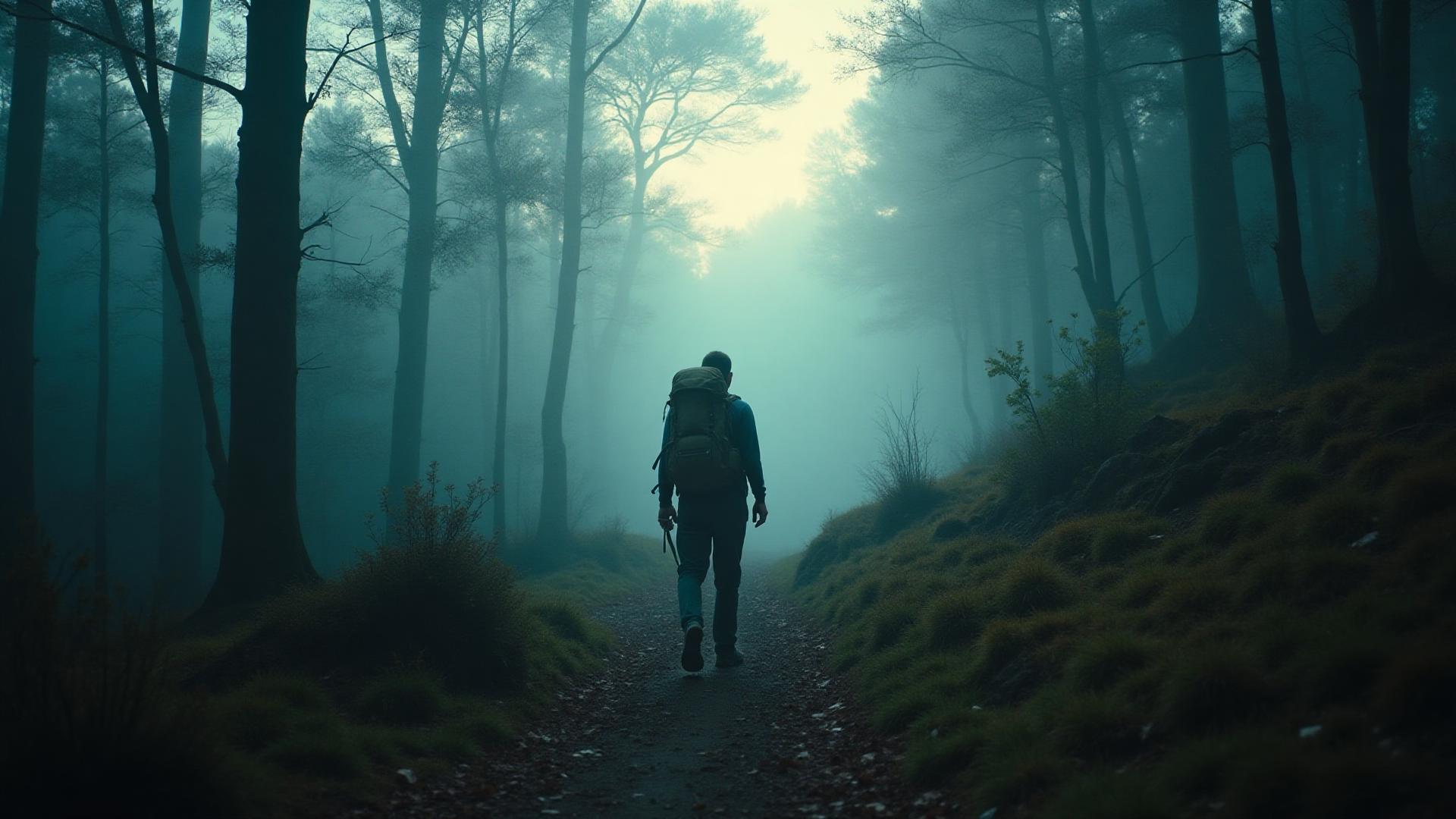
If your next adventure into the great outdoors went wrong, how long would you last?
It's an uncomfortable question — but one that every prepper, hiker, or camper should ask themselves before stepping into the wild. Whether you're walking the Lake District or exploring Europe's alpine trails, understanding the fundamentals of survival could one day make the difference between comfort and crisis.
1. The Mindset That Keeps You Alive
Survival begins long before you light a fire or purify water — it starts in your head. The right mindset transforms fear into focus. In the UK and Europe, where unpredictable weather, isolation, and terrain hazards can strike suddenly, panic is your biggest threat.
When faced with danger:
- Stop. Think. Observe. Plan. (S.T.O.P.)
- Slow your breathing — oxygen fuels logic.
- Use your environment — shelter, tools, or landmarks.
- Remember: people survive because they think clearly, not because they're the fittest.
Mental resilience is a skill you can train: cold exposure, overnight camping, or short "no gear" hikes can condition you to stay calm under stress.
"You can't out-muscle the wilderness — but you can out-think it."
2. The Rule of Threes — Your Survival Blueprint
The Rule of Threes is a simple, powerful guideline for prioritising survival actions.
- 3 minutes without air (or in icy water)
- 3 hours without shelter in harsh conditions
- 3 days without water
- 3 weeks without food
In the UK and EU, where hypothermia and exposure are common dangers, shelter and warmth usually outrank hunger. A dry windproof jacket or emergency bivvy can save your life faster than a packet of protein bars.
🧱 Your action order in most UK conditions:
- Air — move away from smoke, debris, or cold water.
- Shelter — use natural cover, foil blankets, or simple tarp setups.
- Water — collect and purify (see: Water Filtration Guide for UK Preppers).
- Food — stabilise first, eat later (see: Food Preparedness UK Guide).
3. Survival Priorities in the UK Environment
Survival in the Scottish Highlands or the Pyrenees is very different from desert survival. Here's how to adapt the Rule of Threes to local European conditions:
Shelter
- Build away from water (avoid flash floods).
- Use the "rule of body heat": one layer of insulation above, two below.
- Avoid direct ground contact — moisture kills warmth fast.
Water
Streams and rainwater are abundant but often contaminated. Use a filter or boil for at least 5 minutes. (Learn more: Clean Water, Calm Head: The UK/EU Survival Guide to Filtering, Purifying & Storing Water (2025)).
Fire
- Damp tinder? Use cotton pads with Vaseline or magnesium shavings.
- Always carry three ignition methods (ferro rod, lighter, matches).
Food
Energy-dense snacks are more valuable than foraged roots.
Navigation
- Electronics fail — a paper OS map and compass never do.
- Learn to orientate via terrain, wind direction, and star patterns.
4. The Survival Mindset in Action
Survival is not a checklist — it's a mindset. Those who survive aren't the strongest, but the ones who refuse to quit.
Case in point:
During a winter hike in Snowdonia, two hikers were stranded overnight in subzero temperatures. The survivor's biggest asset? He conserved energy, built a low-profile shelter using his poncho and trekking poles, and stayed calm enough to think clearly.
Mental control beats brute strength every time.
5. Building Your Survival Confidence
Start small. You don't need to disappear into the woods to build skills.
Try these practical drills:
- Spend one night camping without your phone or light.
- Practice making fire in drizzle.
- Navigate to a local landmark using only a paper map.
- Time how long it takes to pitch an emergency shelter.
Every successful drill rewires your brain to react calmly, not fearfully.
6. Final Thoughts: Prepared, Not Paranoid
The fundamentals of survival aren't about fear — they're about freedom. The knowledge that you can handle a crisis gives you quiet confidence every time you step outdoors.
So next time you pack your rucksack, remember:
"You don't rise to the occasion. You fall back on your training."
Master the mindset, memorise the Rule of Threes, and train your priorities. Prepared, not paranoid — that's the EODSurvival way.