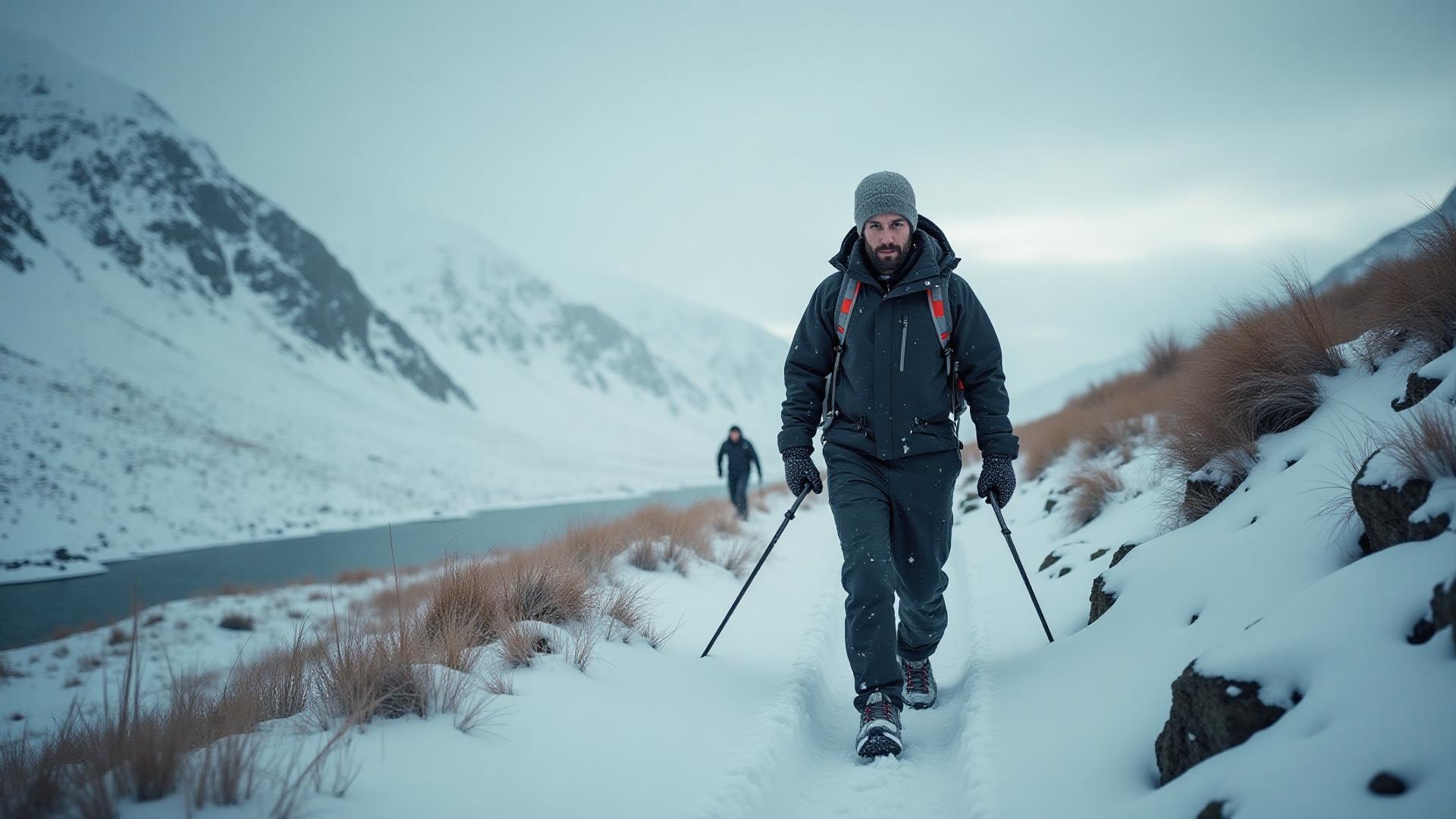
Cold Weather Survival: Hypothermia, Snow, Ice & Winter Preparedness
(UK Remote-Settings Edition)
Winter in the UK may not be Arctic-Siberia on first glance — but in remote settings, with wind, damp, snow and isolation, conditions can quickly become lethal. This article covers practical, tried-and-tested strategies to handle very cold UK winters in remote locations: how to prevent hypothermia, cope with snow & ice, build shelter, move safely, and maintain your survival mindset. The goal: to arm you with concrete winter survival skills for the UK.
Why the UK's Winter Can Be a Silent Killer
Don't let relatively mild UK thermometer readings deceive you. In remote, exposed areas, three major factors escalate risk:
- Wind and dampness:As noted by the climbing/walking community, wet conditions plus wind dramatically increase effective cold. UK Hill Walking emphasises this deadly combination.
- Snow and ice:Even moderate snow can isolate you, hamper movement, obscure terrain, and increase the risk of slips, falls or being immobilised. The British Red Cross emphasises that snow and ice can impact health, homes and vital services.
- Remote setting + surprise casualties:Injuries, equipment failure or route changes force you to stop, making you vulnerable. One UK survival guide urges: "If you are shivering and wet you may not survive three hours without shelter."
So: isolation + winter hazard = risk multiplier. That's why remote-setting winter survival is a different beast from casual cold weather. Let's break down the essential survival skills.
Hypothermia Prevention – The Foundation of Winter Survival
What is Hypothermia & Why You Must Prevent It Early
Hypothermia occurs when your core body temperature falls below safe levels (generally under ~35 °C). Early signs: shivering, slurred speech, loss of coordination, exhaustion. The remote UK hills article warns: "Warning signs include shivering, poor coordination and confusion — don't let it get that far." Left unchecked, hypothermia leads to unconsciousness, organ failure and death.
Layering & Clothing Strategy
- Base layer: Moisture-wicking (merino/synthetics) to keep dry. Avoid cotton—it holds moisture and kills insulation. An article on winter survival stresses "wear layers (avoiding cotton) … carry dry layers."
- Mid layer(s): Insulating fleece or down.
- Outer layer: Waterproof, windproof shell. In remote UK, wind-chill is your killer.
- Keep your extremities protected: Hat, buff, gloves/mittens, thermal socks, good boots.
- Carry a dry spare set in a waterproof bag in your pack (if you get soaked).
Keep Dry, Keep Warm, Keep Moving
- Avoid sweating out: heavy exertion in too many clothes → sweat soaked garments → rapid heat loss when you stop.
- When you stop: remove sweaty layers, don dry insulation.
- Movement is vital: one UK survival guide says "your best defence from the cold is to keep moving, but if this proves impossible then seek shelter asap."
Nutrition, Hydration & Fueling Your Internal Furnace
Your body needs fuel to produce heat.
- Carry high-energy snacks (nuts, dried meat, energy bars, chocolate) and eat regularly. Two things that keep us warm are fats and carbs, so make sure what you carry achieves that.
- Drink warm liquids when possible. Melted snow consumes calories — avoid relying on untreated snow unless you have sufficient energy and fuel.
- Stay hydrated: dehydration decreases circulation and increases risk of cold injury.
Recognising and Responding to Hypothermia
If you or someone with you shows signs of hypothermia:
- Move to shelter or less exposed ground.
- Remove wet clothing, replace with dry.
- Insulate from the ground (foam pad, rucksack under them). The UK instructor said: "Wrap them up, remove any wet clothing and protect them from the wind."
- Give warm (not hot) fluids if conscious, high-energy snacks.
- If unconscious: treat as serious emergency, protect airway, call for help if possible.
Shelter, Snow & Ice Survival Skills
In remote winter terrain, your choice of shelter, how you manage snow/ice, and your movement strategy are critical.
Choosing & Building Shelter in Snow Conditions
- Avoid low-lying hollows (cold sinks), wind-exposed ridges or beneath cornices. UK guide: "Choose a location that provides natural windbreaks… avoid low-lying areas prone to flooding."
- If snow thickness allows: consider a snow shelter or debris insulated A-frame. Snow shelters (quinzhee, cave) take time, and you must understand risk of collapse.
- Fundamental ground insulation: use a foam roll-mat or emergency trauma blanket under you (to isolate you from snow/ice cold). One UK instructor flagged this: "A foam roll mat … weight hardly anything. The insulative value is huge and will save your life if you need to bed down."
- If you must stay in a standing tent: ensure ventilation (to avoid condensation), face wind-chill outward, line inside with spare jackets or sleeping bags.
Snow & Ice – Hazards and Mitigation
- Slip/fall hazards: In freezing rain or packed snow you may lose footing. Carry micro-spikes/ice-cleats and trekking poles.
- Navigation issues: Snow can hide landmarks, terrain features. UK article: "Deep snow will obscure paths and may cover landmark features such as streams and lochans."
- Avalanche/cornice risk: Even in UK hills some slopes are avalanche-prone—especially in snow + wind deposition. Know your terrain.
- Surface ice: Frozen puddles, melt–refreeze cycles. Use caution around water bodies.
- Pack a folding snow shovel or spade to dig a shelter or clear snow for a fire or tent platform.
Winter Movement & Route-Planning
- Plan shorter distances: winter terrain is slower, more exhausting.
- Start early – daylight hours are shorter in UK winters.
- Always carry map and compass and know how to navigate blind (white-out, snowstorm). GPS should be a backup. The UK hillwalking article stressed: "Since cold, wet or gremlins might get to your GPS … a backup map and compass should always be carried."
- Use buddy systems: if someone is injured in snow, you'll both face increased risk due to immobility and exposure.
Remote Setting Strategy — Staying Safe When Isolation Strikes
In remote UK winter survival you likely face hours (or days) from aid, so your mindset, kit and planning matter.
Pre-Trip / Pre-Event Planning
- Weather check: Use Met Office forecasts; foresee wind chill, snow, ice.
- Emergency plan: Let someone know your route, estimated times, check-in times.
- Kit checklist specific to cold settings:
- Rucksack with spare layers, dry bag for wet clothes.
- Fire-starter (lighter, ferro rod) + backup. One UK site warns: "Always carry the ability to light a fire when needed and regularly practise this skill."
- Insulation pad, emergency bivvy or trauma blanket.
- Shovel/spade, ice-cleats, headtorch with spare batteries (dark arrives early).
- Warm high-calorie food, hot drink element (e.g., insulated flask with hot water).
- Navigation tools (map/compass) and whistle/signal.
- Fitness & training: Winter terrain magnifies fatigue. The UK winter article observed: "A hillwalk in the snow is likely to be far more physical … aerobic fitness and endurance are key."
Shelter In-Place Strategy for Home or Remote Cabin
If you're based in a remote UK cabin or staying put:
- Ensure heating (wood-burner, oil, backup) is functional before the deep freeze. The Red Cross advised getting your heating system checked and ensuring your home stays warm.
- Draft-proof windows/doors, block unused rooms to reduce space to heat.
- Have a "warm room" plan: designate a small space, concentrate heating there, close off other rooms.
- Have surplus blankets, duvets, hot water bottles.
- Stock up on essentials: food, water, fuel, torch, communications. The British Red Cross: "Plan – snow and ice can make travelling dangerous or stop you leaving the house, so be prepared to stay put for a few days."
Hypothermia, Frostbite & Cold Injuries: What to Watch For
Frostbite & Chilblains
Frostbite affects extremities (fingers, toes, nose, ears) when prolonged exposure to cold. Early signs: numbness, white/grey skin patches.
Chilblains: painful inflammations from repeated cold/damp exposure—less life-threatening but reduce warmth and circulation.
Prevention: Keep extremities warm and dry; use mittens over gloves if possible; rotate vulnerable appendages.
Wind-Chill & Wet Conditions
- Wind-chill is a silent multiplier: when wind whips around you, your body loses heat much faster.
- Wet clothing is a killer: once your layers are soaked you lose insulation and your risk of hypothermia skyrockets.
- Always carry a waterproof shell and consider a spare dry set of clothes.
Cold Immobilisation & "Stop" Risks
If you become immobilised (injury, snow trap, equipment failure), you enter high risk zone: cold + wind + inability to move = rapid onset hypothermia.
As one survival instructor put it: "If you are shivering and wet … you may not be able to function after 3 hours."
If movement isn't possible: build or enter shelter, wrap up, get ground insulation, light fire if safe.
Practical Winter Survival Skills Checklist
- ✓ Master fire skills in winter conditions: gathering dry tinder under snow, building fire in wind.
- ✓ Practice snow/ice shelters or debris-lined lean-tos.
- ✓ Train navigation in low-light/wolf-weather conditions with map & compass.
- ✓ Carry and know how to use ice-cleats/micro-spikes and trekking poles.
- ✓ Conduct winter first-aid: know signs of hypothermia, frostbite, heat loss injuries.
- ✓ Test your long-haul winter kit in milder cold days so you're confident when the temperature drops.
- ✓ Plan muscle memory: practise packing for winter, layering movements, emergency clothes swap.
- ✓ Train mentally: long cold nights hurt morale; build resilience, maintain group morale, keep movement/shelter strategies fluid.
Related Articles
Wilderness Survival Fundamentals
Master the core principles of survival in the wild
How to Build a Shelter in UK Conditions
Practical shelter building for British weather
How to Build a DIY Trauma Kit
Essential medical supplies for emergencies
Mental Resilience and Prepper Burn-out
The human side of being ready
External Sources
- UK Hill Walking – Winter walking and climbing guidance
- British Red Cross – Emergency preparedness and winter safety
- Backcountry Survival Ltd – UK survival training and resources
- Green Man Survival – Winter survival skills and techniques
- UK Survival Network (UKSN) – Community and survival skills education
Final Thoughts – Survive the UK Winter, Don't Just Ride It Out
In remote UK settings, cold weather survival isn't about high-altitude mountaineering gear — it's about mastering fundamentals: stay dry, stay warm, stay moving (or sheltered). The chill of wind & damp can be far more dangerous than raw temperature alone. You must train, have the right kit, plan for immobility, & know how to rescue yourself from snow, ice or isolation.
Remember: a bad winter day in suitable gear still beats a good winter day with inadequate prep. Use these strategies now — test, train, repeat — so when that remoteness meets winter suddenly, you're ready. Cold weather survival isn't glamorous. It's disciplined, methodical, serious. But it's absolutely doable.
Stay warm. Stay sharp. Survive well.