Introduction
If a first aid kit is about plasters and painkillers, a trauma kit is about saving lives when things get serious. We're talking massive bleeding, burns, and injuries that won't wait for the ambulance.
In the UK and EU, trauma kits are still perfectly legal to own — and affordable if you build them yourself. The challenge? Knowing what's useful, what's unnecessary, and what's allowed.
This guide walks you through building a DIY trauma kit, tailored for blackouts, disasters, and emergencies.
First Aid vs Trauma Kits: What's the Difference?
First Aid Kit: Treats small cuts, scrapes, headaches, burns, allergic reactions. Think plasters, antiseptic, paracetamol.
Trauma Kit (IFAK): Stops severe bleeding, stabilises broken limbs, keeps someone alive until paramedics arrive.
If your first aid kit is the "everyday box," your trauma kit is the "life-or-death pouch."
Is It Legal to Own a Trauma Kit in the UK/EU?
Yes ✅. In the UK and most of the EU:
- Tourniquets are legal to buy and carry.
- Haemostatic dressings (like Celox, QuikClot) are legal and widely sold online.
- Israeli bandages are standard military first aid items and available retail.
👉 What's not legal: carrying these items in public with intent to use them as weapons. But storing them in your car, home, or prepper bag is perfectly fine.
Core Components of a DIY Trauma Kit
1. Tourniquet
Purpose: Stops life-threatening bleeding from arms or legs.
Best Options: CAT Gen7, SOFT-T Wide.
Tip: Practise applying one-handed — in a crisis, fine motor skills go out the window.
2. Israeli Bandage (Emergency Trauma Dressing)
Combines pressure + dressing in one.
Essential for gunshot, stab, or heavy bleed wounds (yes, even in the UK context).
3. Haemostatic Dressing
Celox, QuikClot — infused gauze that accelerates clotting.
Especially valuable if bleeding won't stop with pressure.
4. Chest Seals (Optional)
For penetrating chest wounds (rare but possible in stabbings/accidents).
Use vented seals like HyFin.
5. Trauma Shears
Cut clothing quickly.
Look for stainless steel with blunt tips.
6. Gloves & PPE
Nitrile gloves protect you from bloodborne pathogens.
Eye protection optional but smart.
7. Foil Blanket
Prevents shock after blood loss.
How to Pack Your Trauma Kit
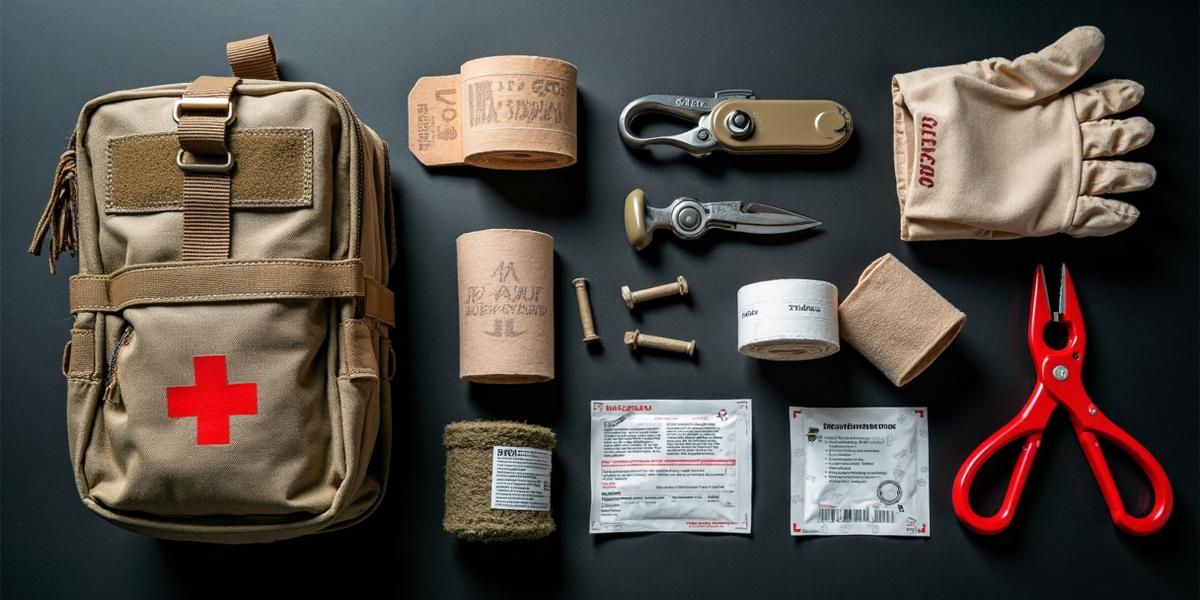
- Use a MOLLE pouch (military-style, compact, belt/rucksack-mountable).
- Pack items in priority order: tourniquet at the top, shears accessible.
- Label pouch clearly: TRAUMA KIT.
Training Matters
A trauma kit without training is like a fire extinguisher you've never touched. You need to know how to:
- Apply a tourniquet fast.
- Pack a wound with haemostatic gauze.
- Use an Israeli bandage under stress.
👉 Look for St John Ambulance, Red Cross, or private tactical first aid courses in the UK/EU.
Sample DIY Trauma Kit (UK/EU Legal)
- 1x CAT Gen7 tourniquet
- 2x Israeli bandages
- 2x haemostatic gauze (Celox/QuikClot)
- 1x Trauma shears
- 2x Pairs of nitrile gloves
- 1x Foil blanket
- (Optional) Chest seals
👉 Total cost: ~£60–80 — less than a night out in London.
Common Mistakes
- Fake tourniquets: Cheap Amazon knock-offs break under stress. Buy from trusted suppliers.
- Overstuffing: You don't need surgical kits. Focus on what saves lives in 5 minutes.
- No practice: Watching YouTube once isn't training. Practise monthly.
Conclusion
A trauma kit is not about paranoia. It's about preparedness. Whether it's a car crash, power-tool accident, or violent incident, having the right gear (and knowing how to use it) could save a life.
Build one now. Learn to use it. And hope you never need it.
👉 Supporting guide: See our UK Emergency First Aid & Safety Guide for everyday kits.