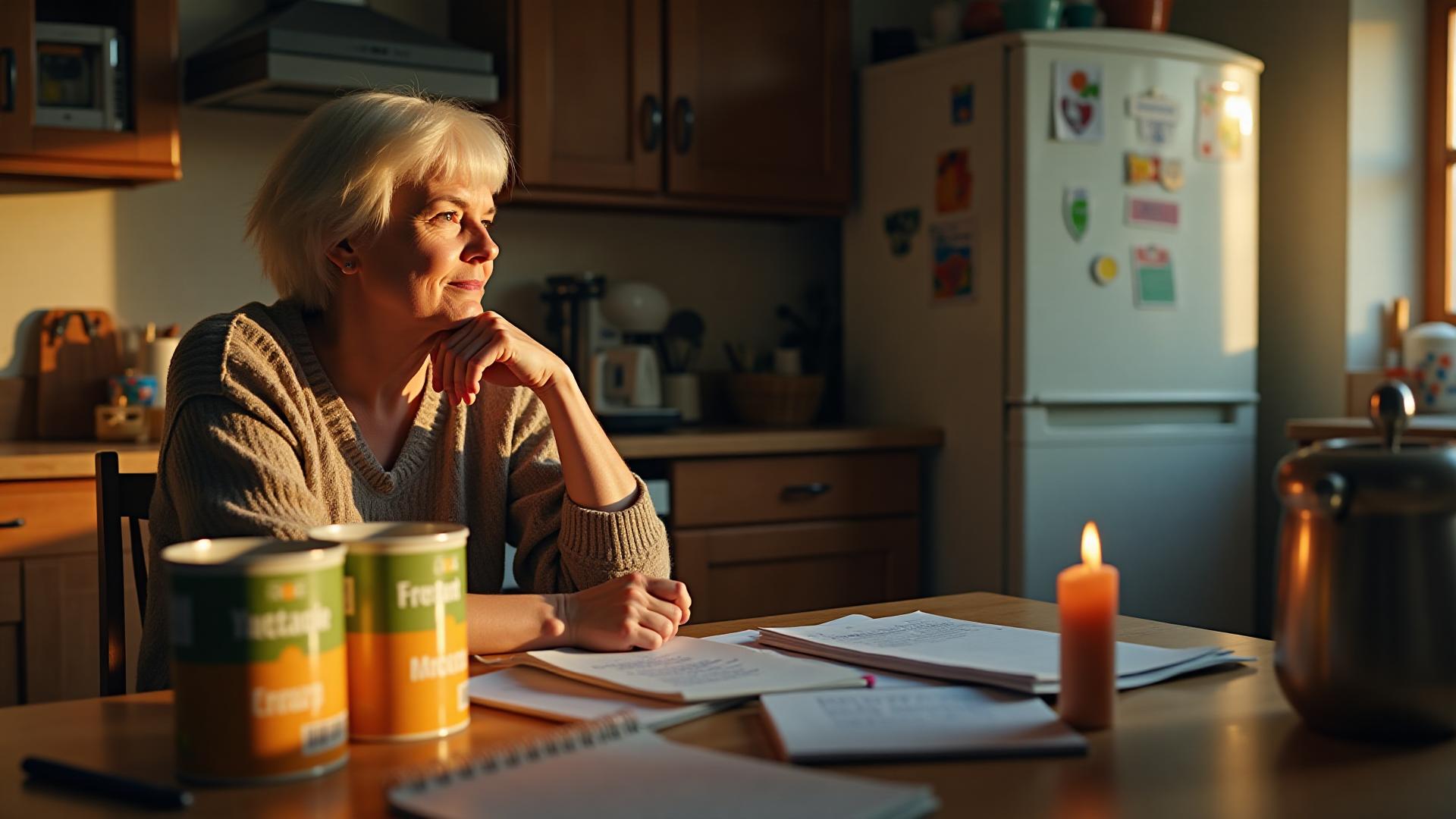
Mental Resilience and Prepper Burn-out: The Human Side of Being Ready
A practical guide for everyday readers — maintaining mental health and balance while preparing for emergencies
Introduction: When "Always Ready" Starts to Wear You Down
Prepping is about control — control over chaos, uncertainty, and crisis. But what happens when the very act of staying prepared begins to erode your peace of mind?
Across the UK and Europe, more households are building 72-hour kits, stocking pantries, and creating family emergency plans. Yet behind the neatly labelled tubs and bug-out bags lies a quieter struggle: the mental toll of long-term vigilance.
Unlike the Hollywood version of the lone survivalist, real-world prepping is often family-centred, emotionally demanding, and continuous. Balancing readiness with normal life can lead to "prepper burn-out" — a mix of anxiety, exhaustion, and even guilt for not doing enough.
This article explores the psychological side of prepping — how to maintain emotional balance, involve family members without friction, and develop a sustainable mindset that keeps you ready without losing perspective.
1. The Hidden Cost of Constant Readiness
🧩 The Psychology of "Hyper-Preparedness"
Prepping begins as empowerment. It's rational, proactive, and often triggered by real events — the pandemic, supply shortages, or energy crises. But over time, constant exposure to fear-based news and online doom loops can cause what psychologists call "anticipatory anxiety" — the persistent fear of future disasters.
In the UK and EU context, this often manifests as:
- Information overload: Endless scrolling through news or prepper forums, searching for the next threat.
- Decision fatigue: Comparing dozens of gear options, long-life foods, and "must-have" checklists.
- Isolation: Family or friends may dismiss prepping as paranoia, leaving preppers feeling misunderstood.
Without mental boundaries, prepping can shift from a safety net to an emotional burden.
"The goal of prepping is to reduce anxiety about the future — not live in permanent crisis mode."
— EODSurvival Editorial Principle
2. Recognising the Signs of Prepper Burn-Out
Prepper burn-out doesn't happen overnight. It creeps in quietly.
Common warning signs:
- • Irritability when discussing plans with family members.
- • Guilt or panic over not having enough supplies.
- • Neglecting hobbies or relationships outside prepping.
- • Endless "upgrading" — a sign of emotional reassurance rather than practical need.
- • Sleep issues or constant background worry.
Think of it as "crisis fatigue." You're constantly anticipating disaster but rarely allowing yourself to rest or feel "ready enough."
3. Case Study: When Preparedness Becomes Pressure
Mark, 42, Surrey — began prepping during the COVID lockdowns. A father of two, he built a three-month food store, solar backup, and water filtration system.
"At first, it was about being responsible. But after a while, I was checking expiry dates weekly, browsing forums every night, and snapping at my wife for using the 'wrong' tinned food. I realised I'd lost balance."
Mark now maintains a 14-day rotating stockpile and schedules quarterly reviews — no more constant anxiety. He says:
"I still prep, but it's part of life now — not all of life."
4. The UK & EU Context: Why Mindset Matters Here
Prepping in Britain or Europe isn't like prepping in the US. We deal with:
- • Smaller homes and less storage space.
- • Denser cities and limited off-grid potential.
- • Different risk profiles — energy shortages, flooding, cyberattacks, political instability.
- • Social stigma — "prepping" can still sound extreme.
That's why mental resilience is key: it's not about stockpiling for warzones but preparing calmly for plausible disruptions — storms, blackouts, or supply issues.
🇬🇧 In the UK, even government guidance now recommends a 72-hour emergency plan.
🇪🇺 Across the EU, countries like Germany and Finland actively teach citizen preparedness — not panic.
Mental readiness is about realism, not fear.
5. Building Resilience: The Core of Sustainable Prepping
🔄 The Sustainable Prepping Mindset
True resilience blends practical skills with mental flexibility. You're not just preparing for events — you're preparing to adapt.
Here's a framework we use at EODSurvival:
| Principle | What It Means | Example |
|---|---|---|
| 1. Prepared, Not Paranoid | Focus on plausible risks, not apocalypse scenarios. | Plan for power cuts, not asteroid strikes. |
| 2. Incremental Improvement | Add or refine one area at a time. | Review your water plan this month, food next month. |
| 3. Involve the Family | Shared responsibility reduces friction. | Make prepping games or weekend activities. |
| 4. Rest is Readiness | Burn-out reduces clarity. Schedule "prep-free" weekends. | Family camping instead of crisis drills. |
| 5. Community Builds Security | Know neighbours, local networks, and mutual aid groups. | Join UK prepping forums with a local focus. |
6. Family Dynamics: Prepping Without Causing Panic
One of the most common causes of prepping stress is family tension. Not everyone shares the same risk tolerance or motivation.
🏡 How to bring your family onboard
- Lead with care, not fear. Explain prepping as responsibility — like insurance, not paranoia.
- Make it relevant. "If there's a storm and no power for two days, we'll have light, food, and warmth."
- Give everyone a role. Kids can rotate canned goods or pack their own go-bags.
- Set limits. Agree on how much storage space and budget is realistic.
- Celebrate milestones. Finished the 7-day plan? Take a break.
7. Actionable Checklist: Mental & Emotional Prep Health
✅ Weekly / Monthly Prepper Wellness Checklist
| Area | Action | Why It Matters |
|---|---|---|
| Mindset | Ask: "What's the most likely event I'm preparing for?" | Keeps focus realistic. |
| Media Intake | Limit daily doomscrolling to 15 minutes. | Prevents anxiety cycles. |
| Physical Health | Walk, stretch, or train weekly. | Body supports mind. |
| Relationships | Discuss prepping goals openly. | Prevents secrecy and guilt. |
| Skill Rotation | Try something new monthly (camping, gardening). | Keeps prepping engaging, not obsessive. |
| Digital Declutter | Unfollow fear-mongering channels. | Curate info for calmness. |
Stay Prepared with EODSurvival
Download our latest survival guides and emergency checklists for free. Get new guides emailed to you as soon as they're released, plus exclusive preparedness tips, gear reviews, and UK emergency updates.
8. Reframing Fear: From Anxiety to Agency
Fear is a survival mechanism. But chronic fear reduces rational decision-making. Psychologists recommend "stress inoculation" — exposure to manageable challenges that build confidence.
Try these resilience-building activities:
- Weekend camping trips — practise without crisis pressure.
- Cold-weather drills — simulate power cuts safely.
- Skill-swap with neighbours — trade gardening for first-aid knowledge.
Each small challenge replaces helplessness with competence — the true essence of resilience prepping.
9. Sustainable Prepping = Lifelong Readiness
Think of prepping like fitness. You can't sprint forever — you train, rest, and improve steadily.
Sustainable prepping means:
- • Rotating supplies instead of hoarding.
- • Reviewing plans quarterly, not daily.
- • Balancing preparedness with normalcy.
By pacing yourself, you keep prepping aligned with life — not against it.
10. When to Seek Support
If prepping anxiety becomes intrusive or starts damaging relationships, it's okay to reach out for help.
UK resources:
- Mind.org.uk – Coping with Anxiety
- Samaritans UK – Free 24/7 Helpline – Call 116 123
- National Centre for Resilience (Scotland)
EU resources:
Prepping responsibly includes caring for your own mental health.
11. Conclusion: Prepared in Mind and Body
Prepping isn't just about gear — it's about grit. A true prepper's strength lies not in the number of tins in their cupboard but in the calm confidence that they can handle change.
The most resilient preppers are not those who panic-buy or isolate — they're the ones who build balance, nurture relationships, and view preparedness as a lifestyle, not a lifetime of stress.
So, as you check your supplies this week, also check in with yourself. Readiness begins with mental resilience — and that's something no blackout or storm can take away.
Ready to Build Sustainable Preparedness?
Explore more guides on building resilient, practical emergency plans without the burn-out.