You can feel it before you can explain it.
That odd moment in the supermarket where something familiar looks… unfamiliar. A tin you've bought for years suddenly seems expensive. A staple item is half the size it used to be. And as you push your trolley past the bread aisle, you catch yourself wondering when the weekly shop became a small negotiation with your bank account.
Inflation isn't a breaking wave. It's a rising tide—quiet, slow, certain. And bit by bit, it changes everything: what you buy, how you plan, how secure you feel.
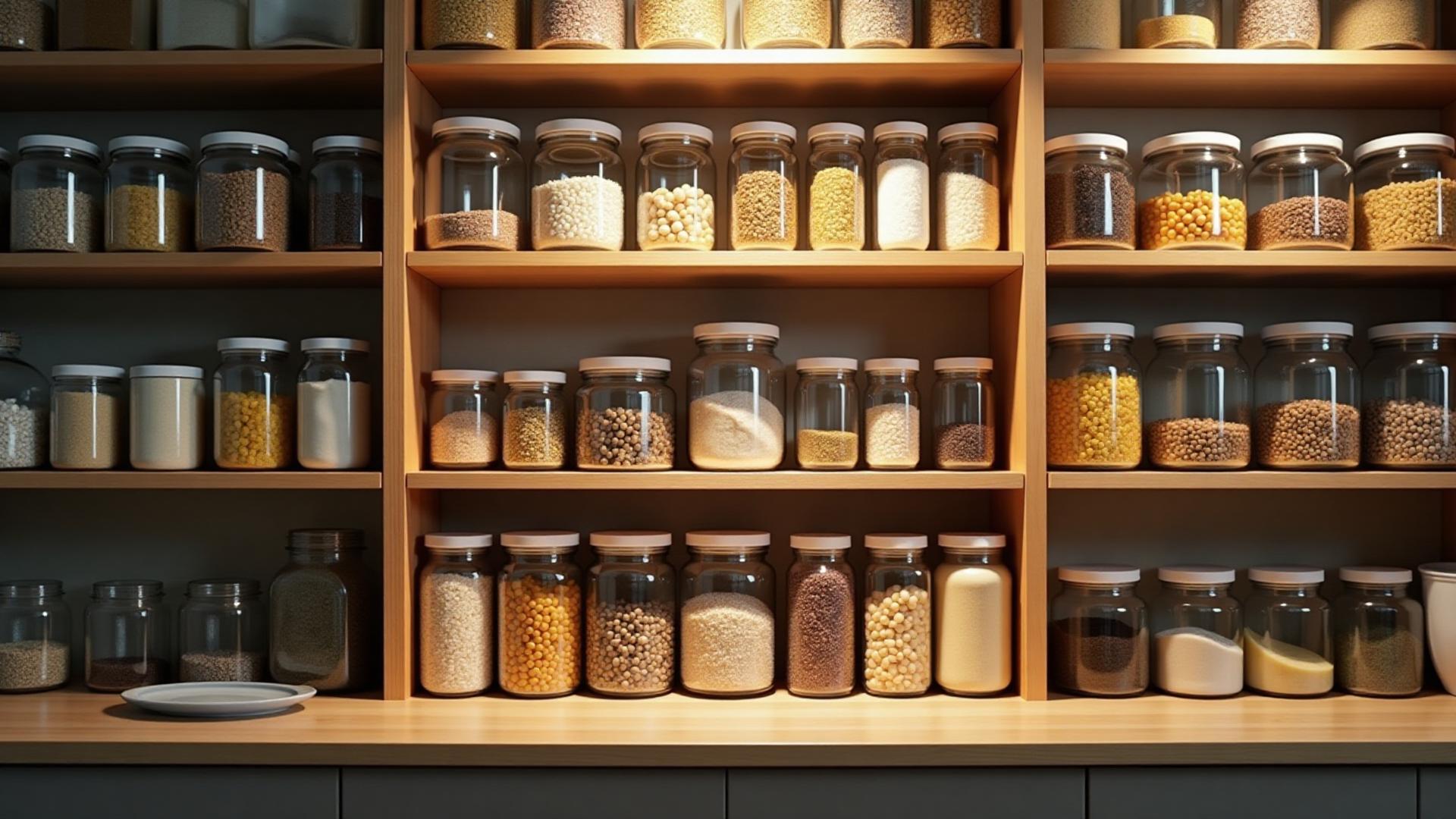
That's why more people across the UK are quietly building something our grandparents would recognise instantly: a pantry that isn't just storage, but strategy. A rolling larder—always moving, always replenishing, always guarding you from the unpredictability of the economy.
This isn't stockpiling for the end of the world. It's preparing for the next five years of very normal uncertainty.
Inflation-Proofing Isn't About Fear — It's About Stability
A pantry sounds simple, even old-fashioned. But in an economy where a bag of rice can jump 40p in a week, a pantry becomes more than a cupboard—it becomes a pressure valve.
Inflation doesn't arrive as a dramatic announcement; it creeps through the margins of your weekly budget. A price here. A shortage there. By the time you notice the shift, the damage is already woven into your routine.
A rolling larder flips the script.
- You buy ahead when prices dip.
- You rotate your food so you waste nothing.
- You build a buffer between your household and the markets.
In a world of rising costs, that buffer feels almost luxurious.
The UK's 2025–2030 Reality Check
Over the next half-decade, the UK will face a messy cocktail of pressures—nothing apocalyptic, just inconvenient enough to destabilise life if you're unprepared.
- Energy prices may swing with global conflict.
- Transport costs will push groceries upward.
- Climate shocks will influence crop yields.
- And supply-chain fragility will keep supermarket shelves more changeable than we'd like.
None of this means catastrophe. But it absolutely means volatility. Your pantry absorbs that volatility so your household doesn't have to.
Building the Foundation: Food That Carries You Through Anything
Every strong pantry begins with foods that work hard: long shelf lives, stable nutrition, and prices that won't double overnight. For a comprehensive guide on the best options, see our long shelf-life foods guide.
Here's where your rolling larder gathers its spine:
- White rice
- Pasta
- Porridge oats
- Red lentils
- Tinned tomatoes
- Tinned beans and pulses
- Tinned fish (tuna, sardines, mackerel)
- Vegetable oil
- Long-life milk
- Tea and coffee
- Stock cubes
- Sugar, salt, and basic flavourings
Individually they feel humble. Together they're powerful. These foods outlast inflation, outlast shortages, and quietly anchor your budget.
Building the Five-Layer Rolling Larder
A rolling pantry isn't created in a frenzy—it evolves. These five layers give it shape and momentum. Learn more about comprehensive food preparedness strategies.
Layer 1: The 72-Hour "Life Happens" Shelf
This is the pantry equivalent of holding your breath. Quick meals, minimal prep, zero thinking.
- Tins with ring pulls
- Peanut butter
- Crackers and cereal bars
- Bottled water
- Powdered drink sachets
- Shelf-stable meals for the days life catches you off guard
It's your buffer for power cuts, flu weekends, or those odd days when the world feels slightly off-kilter.
Layer 2: The Two-Week Stability Base
This is where comfort lives.
- Pasta and sauces
- Rice and curry tins
- Soups, stews, and bread mixes
- Porridge oats and powdered milk
- Stir-fry noodles and tinned veg
This layer keeps your home running smoothly even if the shops look unreliable or your budget needs a breather.
Layer 3: The Three-Month Working Pantry
This is the beating heart of the rolling larder. Our food stockpile guide provides detailed strategies for this critical layer.
- Buy in bulk.
- Rotate religiously.
- Replace what you use.
This is where you feel the shift—the moment you're shopping from strength, not scarcity. When inflation changes the price tags, you shrug and keep cooking dinner.
Layer 4: The Long-Term Reserve
This is your quiet insurance policy. See our guide on extending food shelf life for advanced preservation techniques.
- Mylar-packed rice
- Oats sealed in airtight tubs
- Tinned proteins
- Honey (a pantry immortal)
- Sugar and salt in containers
- Flour stored with oxygen absorbers
You may never need this reserve. That's the beauty of it.
Layer 5: The Skill Shelf
The last layer isn't food, but capability.
- Dehydrating
- Fermentation
- Canning
- Basic bread-making
- Container gardening
- Seed saving
Your rolling larder becomes more than storage—it becomes resilience. Not in a dramatic sense, but in a deeply practical, deeply British way.
The Quiet Psychology of a Full Pantry
There's something primal about seeing your shelves full. Not greedy. Not obsessive. Just reassuring.
A stocked larder speaks to the nervous part of your brain that scans futures, weighs risks, and flinches at uncertainty.
It whispers: "You're okay. You have what you need. Not everything depends on the shops this week."
Inflation loses its sting when your cupboards are fuller than your fears.
The Mistakes UK Preppers Don't Know They're Making
A few traps snare even well-meaning households.
Mistake 1: Buying Everything at Once
That's panic, not preparation.
Mistake 2: Stockpiling Food You Don't Actually Eat
If lentils aren't part of your life, don't make them the backbone of your preps.
Mistake 3: Forgetting Water Entirely
Every pantry needs water. End of story. Check our comprehensive water storage guide.
Mistake 4: Overestimating Space While Underestimating Method
A good system fits anywhere—even a flat.
Mistake 5: No Rotation Plan
Consume the oldest first. Label things. Keep it moving.
Making It Fit: UK Storage That Actually Works
British homes aren't designed for prepping—but they're brilliant at hiding storage if you think a little sideways.
Clever UK Pantry Spots
- Under-bed crates
- Wardrobe shelves
- Hall cupboards (stackable containers work wonders)
- Loft boxes (dry goods only)
- Vertical shelving in narrow spaces
Micro-Storage Tips
- Use Kuggis-style boxes for stacking dry goods
- Store tins in pull-out bins
- Use the back of doors for spice racks and small items
- Label everything—future you will thank you
Your home has more space than you think. You just haven't asked it the right questions yet.
FAQs People Are Too Embarrassed to Ask
How much food do I actually need?
Enough for three months is a strong start. Two weeks is the absolute floor.
Does building a pantry save money—or cost money?
It saves money long-term. After the first 6–12 weeks, your bills flatten out while supermarket prices keep creeping.
How do I keep food from going off?
Rotate monthly. Label dates. Store cool and dry. Use sealed tubs for anything that attracts moisture.
What if I have very little space?
Then start with tins, rice, oats, and pasta. They fit anywhere and give you huge calorie stability per square inch.
Is this overreacting?
Not at all. Think of it as the British version of insurance: sensible, boring, quietly brilliant.
Products / Tools / Resources
Below are practical, UK-friendly items that make building a rolling larder smoother and safer. Nothing dramatic—just tools that give your pantry backbone.
- 5L Stackable Water Bottles – because hydration shouldn't depend on the shops
- IKEA Kuggis Storage Boxes – perfect for dry goods and tiny flats
- OXO Airtight Containers – protect flour, oats, pasta and sugar from damp
- Mylar Bags + Oxygen Absorbers – for long-term rice and oats storage
- Heavy-Duty Metal Shelving – ideal for garages, sheds or utility spaces
- Food Rotation Labels – simple stickers that save you from waste
- EODSurvival Rolling Larder Planner (PDF) – track what you store, use, rotate and restock
These aren't prepper clichés. They're the quiet architecture that makes your household inflation-proof, interruption-proof, and worry-proof.
External Sources: Building Trust and Authority
To deepen your understanding of food storage, inflation economics, and household resilience, explore these trusted UK sources:
- Food Standards Agency – Safe Food Storage – Official UK guidelines on storing, freezing and defrosting food safely
- Food Standards Agency – Best Before and Use-By Dates – Understanding food date labels for effective pantry rotation
- UK Parliament – Economic Update on 2025 Inflation – Analysis of recent inflation trends and food price impacts
- Bank of England – Food Prices and Inflation Expectations – Research on how food prices influence household finances
- MoneySavingExpert – Budget Shopping Strategies – Practical advice on reducing food costs and shopping smart
- GOV.UK Prepare – Emergency Preparedness – Official government guidance on preparing for emergencies and disruptions
EODSurvival's Final Word
Building an inflation-proof pantry isn't about fear—it's about freedom. Freedom from weekly price shocks. Freedom from empty shelves. Freedom from the quiet anxiety that creeps in when you realise how fragile "just-in-time" really is.
At EODSurvival, we believe that preparedness is the ultimate form of self-respect. It says: "I value my household enough to protect it from uncertainty." And in 2025–2030, that uncertainty isn't hypothetical—it's baked into the forecast.
Start small. Build steadily. Rotate religiously. And remember: the most powerful prep you can make isn't a stockpile—it's the calm confidence that comes from knowing you're ready for whatever comes next.
Prepared, not paranoid. That's the EODSurvival way.
Get Your Free Food & Water Preparedness Guide
Download our comprehensive Emergency Food & Water Guide with detailed pantry checklists, storage recommendations, and rotation systems for UK households.