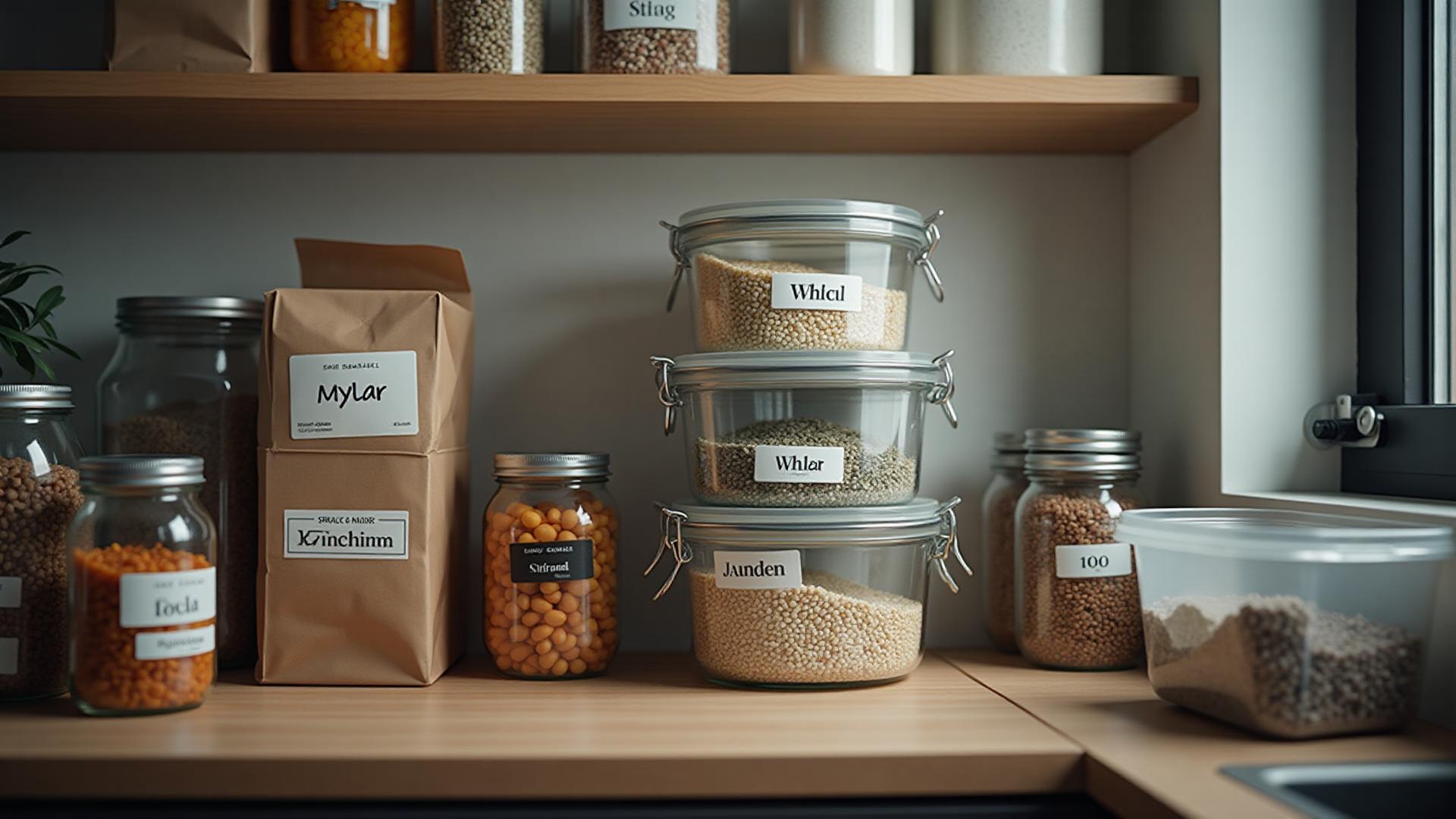
How to Extend the Shelf Life of Food for Your Prep Pantry (UK/EU Storage Guide)
Climate-specific advice to help UK and European preppers store food longer, safer, and smarter
Introduction: Why Shelf Life Matters for UK & EU Preppers
When it comes to prepping in the UK and Europe, one truth stands above all: your food is only as reliable as its storage conditions. While American prepping guides often assume vast basements or arid climates, the average UK or EU home faces damp winters, warm summers, and smaller storage spaces.
This guide gives you practical, climate-specific advice to help extend the shelf life of your emergency food — from canned goods and dry staples to long-term freeze-dried supplies.
Goal: Help you store food longer, safer, and smarter — no matter the size of your flat or the fickleness of the weather.
1. Understand What Makes Food Spoil
Food doesn't just "go bad" — it's attacked by a combination of moisture, oxygen, light, and temperature swings. Understanding these enemies is key to outsmarting them.
| Factor | What it Does | Prevention Tip |
|---|---|---|
| Moisture | Encourages mould, bacteria, and rot | Use silica gel packets or oxygen absorbers |
| Oxygen | Leads to rancidity and spoilage | Store in vacuum-sealed bags or Mylar pouches |
| Light | Degrades nutrients and fats | Keep storage areas dark |
| Heat | Speeds up chemical reactions | Store between 5–15°C where possible |
UK twist: Central heating and poor insulation cause temperature fluctuations, which shorten shelf life. Avoid attics and boiler cupboards — use interior closets or under-bed storage.
2. Choose the Right Storage Environment (for UK/EU Climates)
Unlike in desert climates, the UK and most of Europe face seasonal damp. That means humidity control is crucial.
✅ Ideal Conditions
- Temperature: 10–15°C
- Humidity: 15–50%
- Light: Minimal to none
- Airflow: Gentle circulation
❌ Common Mistakes
- Garages that get freezing in winter and hot in summer
- Lofts/attics that trap heat and moisture
- Kitchens with constant temperature swings
If you live in a flat without extra space, consider:
- Under-bed rolling containers (airtight)
- Wardrobe top shelves (coolest area in flats)
- Stackable Mylar food bins along interior walls
Pro tip: Place humidity indicator cards and a small rechargeable desiccant box inside your storage bins to monitor and control dampness.
3. Best Packaging for Long-Term Food Storage (UK/EU Buyers' Guide)
The packaging you choose can easily double or triple shelf life.
🥇 Mylar Bags + Oxygen Absorbers
- Best for dry goods: rice, pasta, beans, oats
- Use 5–7 mil thickness for light protection
- Add 300–500cc oxygen absorbers per 1-litre volume
🥈 Vacuum Sealing
- Great for shorter-term (6–18 months) items like nuts or dried fruit
- Combine with dark containers for protection from light
🥉 Glass Jars or Mason Jars
- Ideal for dehydrated meals, herbs, or DIY mixes
- Keep away from direct sunlight
UK/EU buying tip: Look for EU-certified, food-grade Mylar and absorbers rated for 10+ years. Local suppliers like FoodBunker.co.uk and PreppersUK are good sources.
4. Rotation Systems: Eat What You Store, Store What You Eat
No matter how well you store it, all food expires eventually. That's why your pantry should rotate stock automatically.
🔁 The FIFO Method (First In, First Out)
- Label every item with purchase and expiry date.
- Place new stock at the back of each shelf.
- Use older items first.
🗓️ Set Calendar Alerts
Use a phone reminder every 6 months to check your storage bins. Replace or consume anything approaching expiry.
🏷️ Colour-Code
- Green labels: Long-term (5–25 years)
- Amber labels: Medium-term (1–3 years)
- Red labels: Use within 12 months
EODSurvival Tip: Keep a printable food rotation log in your pantry binder or digital version in your emergency plan folder.
5. Dry Goods That Last Longest in UK Conditions
| Food Type | Typical Shelf Life (Optimal Storage) | Notes |
|---|---|---|
| White rice | 25–30 years | Store in Mylar with absorbers |
| Rolled oats | 10–15 years | Keep below 15°C |
| Pasta | 20+ years | Avoid moisture exposure |
| Sugar & salt | Indefinite | Keep airtight |
| Powdered milk | 5–10 years | Must be vacuum-sealed |
| Honey | Indefinite | Avoid crystallisation by warming gently |
| Canned meats | 5–10 years | Check seams regularly |
| Freeze-dried meals | 25 years+ | Store cool and dark |
Avoid: Brown rice, whole-wheat flour, or oily nuts — they contain natural fats that go rancid quickly in warmer European climates.
6. Climate-Smart Tricks for UK/EU Preppers
Because of humidity and limited space, European preppers need to adapt differently from US counterparts.
💧 Combat Damp
- Use rechargeable desiccant packs in each bin.
- Avoid cardboard boxes — they absorb moisture.
- Keep items 5–10 cm off floors using plastic shelving.
🌡️ Control Heat
- Don't store food near radiators or external walls.
- If using lofts, insulate and add reflective foil.
- Basements are good only if dry and ventilated.
🧰 Space-Saving Hacks
- Stack Mylar bags flat inside opaque bins.
- Use vacuum-compressed pouches for bulky items.
- Hang lightweight dry goods behind cupboard doors.
7. Extend Shelf Life Naturally
Simple ingredients can help you store smarter.
- Bay leaves repel weevils in rice and flour.
- Vacuum sealing nuts and coffee slows oxidation.
- Salt and sugar act as natural preservatives.
- Home dehydration (fruits, herbs, jerky) reduces weight and spoilage.
Tip: Always label homemade items clearly with "dehydrated on" and "best before" dates — and keep a batch record.
8. Long-Term Food Storage for Emergencies
Even if you focus on day-to-day pantry management, it's wise to invest in freeze-dried, professionally packed emergency food that can last 20–30 years.
EODSurvival Recommends:
- Store at least 1 month of shelf-stable calories per person.
- Balance: 50% carbs, 25% protein, 25% fats.
- Include vitamin supplements, teas, and comfort foods.
See our Emergency Food Storage Guide for detailed brand comparisons and calorie plans.
9. Common Storage Mistakes (UK Edition)
- Using the garage — too cold in winter, too hot in summer.
- Leaving packaging unsealed — pests and moisture love loose ends.
- Ignoring humidity — damp kills shelf life faster than heat.
- Mixing new and old stock — causes confusion in rotation.
- Relying only on tins — diversify with dehydrated and dry staples.
10. Final Thoughts: Build a Pantry That Lasts
Extending food shelf life isn't about spending a fortune on supplies — it's about understanding your environment and managing storage smartly.
In the UK and Europe, that means staying one step ahead of humidity, heat, and limited space.
Start small: seal your dry goods, label every tin, control moisture — and your prepper pantry will quietly become your most reliable survival ally.
FAQ: Food Storage for UK & EU Preppers
Q1: How can I extend food shelf life in the UK?
Use cool, dry, and dark storage spaces with airtight containers or Mylar bags plus oxygen absorbers. Keep humidity below 50%.
Q2: What's the best way to store food in small UK flats?
Use under-bed boxes, dark wardrobes, or stackable plastic bins with desiccant packs.
Q3: How long does rice last when stored properly?
White rice sealed in Mylar with oxygen absorbers can last 25+ years at cool room temperature.
Q4: Are basements or garages good for long-term food storage?
Only if they're dry, insulated, and stable in temperature. Avoid uninsulated garages.
Q5: What are the best long-term food brands in the UK/EU?
Check out EODSurvival.com's Food Storage Buyer's Guide for tested UK and EU suppliers.
Related Articles
How Much Food Should You Stockpile for a UK / EU Crisis?
Complete guide to emergency food planning for European preppers
Building a Home Medical Cache for Long-Term Emergencies (UK & Europe Edition)
Essential medical supplies for preppers in the UK and Europe
Urban Survival Training: Staying Safe in Cities When Disaster Strikes
Practical urban survival skills for UK and European cities
Stay Prepared with EODSurvival
Download our latest survival guides and emergency checklists for free. Get new guides emailed to you as soon as they're released, and stay updated with the latest preparedness strategies for UK households.
Explore More Guides