Food Safety in a Power Cut: How to Keep Your Food (and Family) Safe When the Power Fails
2025 Guide Based on FSA and UK Government Guidance
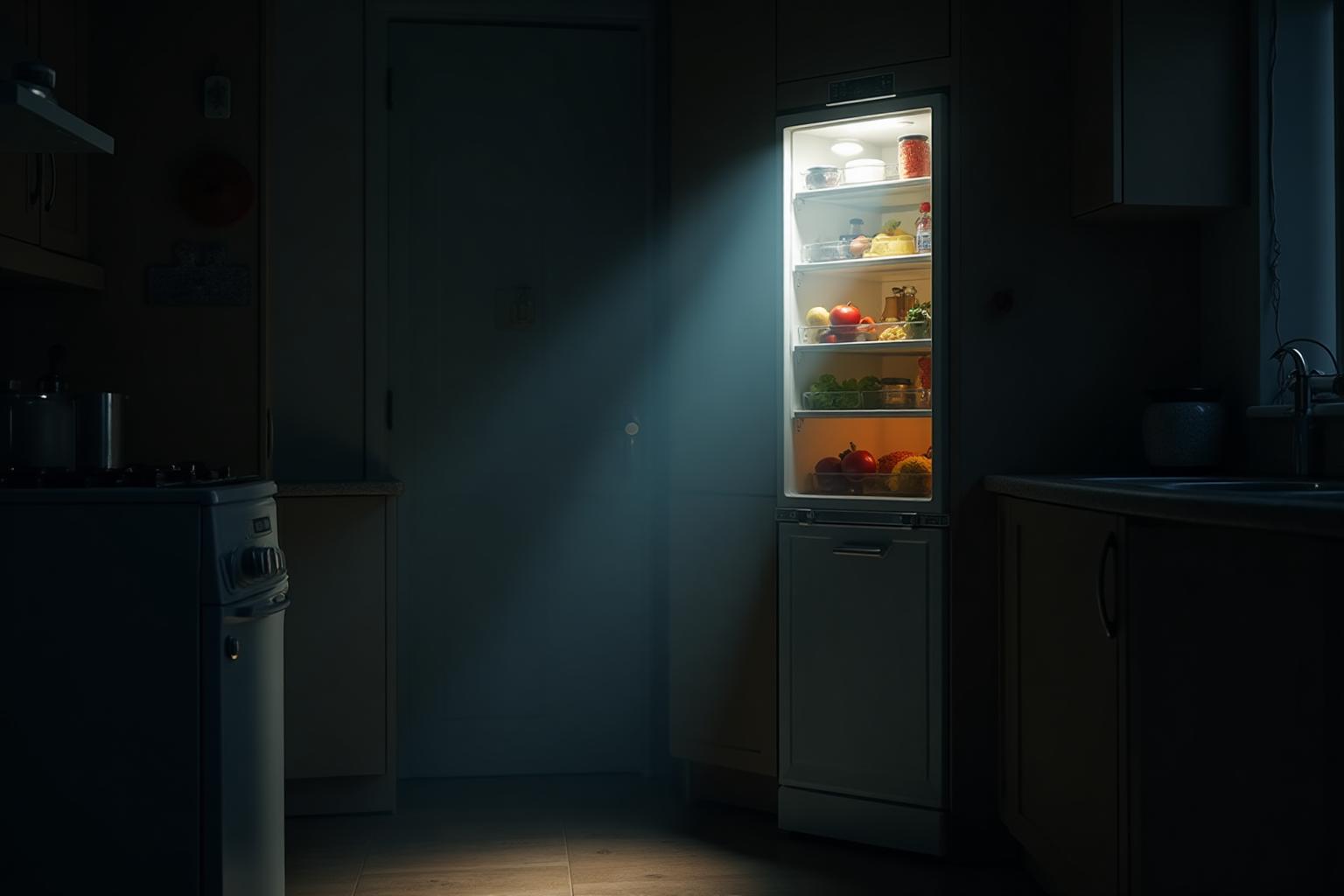
When the power goes out, the first thing people reach for is their phone. The second? The fridge door — to check what's still cold.
That's exactly when most food safety mistakes happen.
During a blackout, temperature is everything. Food begins to warm silently, bacteria wake up, and the clock starts ticking. This article explains how to keep your food safe, how long you have before things spoil, and when to bin it — not brave it.
This isn't panic-prepping. It's calm, practical readiness for a UK or EU household in 2025 — built from official guidance from the Food Standards Agency (FSA), Food Standards Scotland, and the UK Government's Prepare campaign.
4 Hours
Max time fridge food stays safe above 5°C
8°C Threshold
The upper safe limit for chilled food
48 Hours
How long a full freezer stays cold
Why Food Safety Matters More Than Ever
Modern fridges and freezers are marvels of convenience — until they're not. When the power fails, they quickly become sealed boxes of uncertainty.
Here's what happens:
- As soon as the electricity stops, the internal temperature begins to rise.
- Within 30 minutes, warm air starts to move around items inside.
- If the fridge passes 8°C, you've entered the danger zone — the temperature range where bacteria multiply rapidly.
FSA Official Guidance
"If the power cut lasts more than four hours, or the fridge temperature rises above 8°C, food that would normally be refrigerated should be thrown away."
Source: Food Standards AgencyThat 8°C threshold is your line in the sand.
How Long Your Food Really Lasts
Let's break down your safe-time window according to official data:
| Appliance | Condition | Safe Duration (door closed) |
|---|---|---|
| Fridge | Any | 4 hours below 8°C |
| Freezer | Full | 48 hours |
| Freezer | Half Full | 24 hours |
The trick? Keep the doors closed. Every peek adds warm air and takes hours off your margin.
If you're unsure, check the internal thermometer: any food above 8°C for more than 4 hours should be discarded. Don't taste-test — bacteria don't have a smell or flavour.
The "4-8-48 Rule" (Memorise This)
EODSurvival Tip
EODSurvival recommends this simple mnemonic:
- 4 hours– Max time fridge food stays safe above 5°C
- 8°C– The upper safe limit for chilled food
- 48 hours– How long a full freezer stays cold
If you follow just these three numbers, you'll avoid 90% of power-outage food safety issues.
What to Eat First, What to Leave Sealed
When a blackout hits, use your food strategically:
Eat First:
- Cooked leftovers
- Fresh meat, poultry, fish
- Dairy (milk, soft cheese, yoghurt)
- Prepared meals, sandwiches
Eat Later:
- Butter, margarine, hard cheese
- Pickles, jams, sauces
- Tinned goods
- Bread, fruit, veg stored at room temperature
Leave Sealed:
- Freezer food (don't open unless you must)
- Dry pantry goods
If in doubt, don't risk it. Food poisoning is far more dangerous in emergencies when medical help may be delayed.
Cooking Safely When the Power's Out
Cooking in a blackout can turn risky quickly if you improvise with the wrong fuel or location. The FSA stresses: never use barbecues or gas burners indoors — carbon monoxide is odourless and lethal.
Safe Ways to Cook:
- Gas hobs (with ignition matches)
- Camping stoves (outdoors only)
- Rocket stoves
- Thermal cookers (insulated pots)
- Solar ovens (for daytime use)
Unsafe Methods:
- Charcoal BBQs inside
- Patio heaters or candles for cooking
- Fuel stoves near flammable materials
No-Cook Meal Options
If cooking isn't an option, focus on no-cook meals:
- Tuna and crackers
- Tinned soup (ready to eat cold)
- Chickpeas or beans with olive oil and spices
- Dried fruit, nut butter, and biscuits
EODSurvival Tip
Practise a "no-power dinner" once a month. It builds muscle memory and shows you which foods your household actually enjoys eating cold.
After the Blackout: The Big Fridge Question
Once power returns, the temptation is to refreeze everything that looks okay. Don't.
Here's the Science:
- If your freezer temperature stayed below -9°C and food still has ice crystals, it's likely safe to cook and eat soon.
- If the contents have completely thawed and been above 8°C for more than 2 hours, bin it.
- Never refreeze thawed meat, poultry, or fish.
Safety Checklist:
If you're unsure, use this checklist:
- Still cold to touch?
- Ice crystals visible?
- No strange odour or texture?
If you can't tick all three, toss it. Safety first.
Food Standards Scotland
"Food that has started to defrost can still be eaten if it is cooked straight away — but must not be refrozen."
Source: Food Standards ScotlandBuilding a "Blackout Food Zone"
To make life easier during future power cuts, designate one shelf or cupboard as your Blackout Food Zone. Keep it stocked with:
- Ready-to-eat tins and packets
- Manual can opener
- Long-life milk
- Snacks, nuts, and energy bars
- A small headlamp or torch
Rotate these items regularly — this is your grab-and-go survival stash for short outages.
Prepare.GOV.UK encourages every household to maintain a 3-day non-perishable food supply — that's your starting point.
The Power of Preparation (Why This Matters in 2025)
In 2024, parts of the UK saw record numbers of planned outages for infrastructure maintenance. The National Grid now actively encourages households to "be prepared for short interruptions" — it's not paranoia, it's planning.
The truth? Power cuts are part of modern life, whether due to storms, cyber disruptions, or local faults.
You can't control when the lights go out — but you can control what's in your fridge when they do.
Quick-Reference Checklist
During the Blackout:
- Keep fridge/freezer doors closed
- Use a thermometer to track temperature
- Eat chilled perishables first
- Cook safely outdoors or use no-cook meals
After Power Returns:
- Check for ice crystals in freezer
- Discard any food above 8°C for over 4 hours
- Clean fridge before restocking
- Restock your "Blackout Food Zone"
Key Takeaway
Food safety is about timing and temperature — two things within your control.
Remember the 4-8-48 rule, keep your doors closed, and use common sense over courage. Your prep today keeps your family fed (and healthy) tomorrow.
Official Resources
Related EODSurvival Guides
Stay Prepared with EODSurvival
Download our latest survival guides and emergency checklists for free. Get new guides emailed to you as soon as they're released, and stay ahead with practical preparedness advice tailored for UK households.