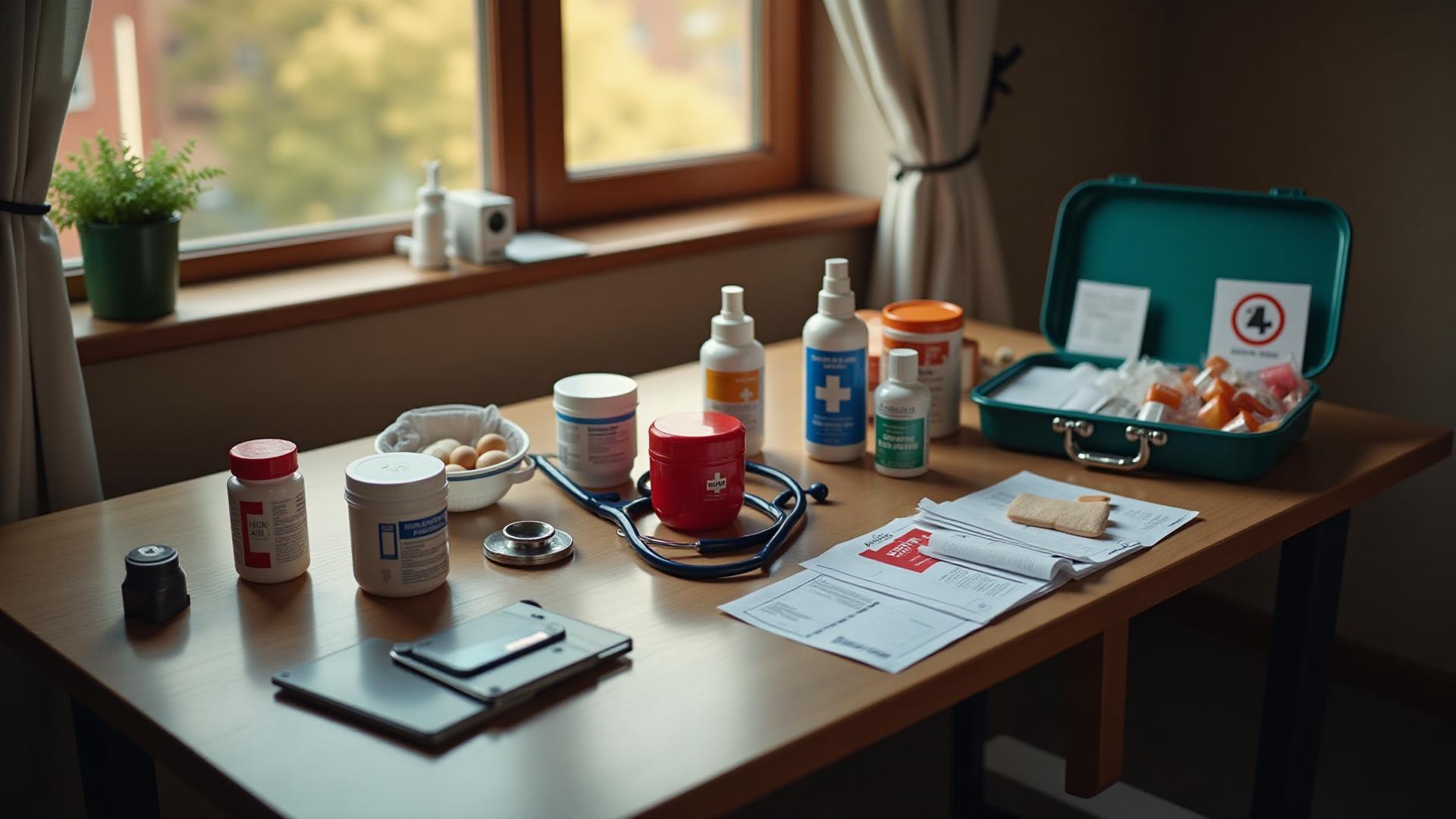
Building a Home Medical Cache for Long-Term Emergencies (UK & Europe Edition)
When disaster strikes — whether it's a power outage, pandemic, or supply-chain collapse — access to basic healthcare can vanish overnight. A well-planned home medical cache ensures your household can treat injuries, infections, and common illnesses when professional help isn't available.
This guide explains how to create, store, and maintain a long-term medical cache, with UK and European laws, drug availability, and storage conditions in mind.
Why Every Household Needs a Home Medical Cache
Most UK and EU families rely on the NHS or local pharmacies for day-to-day medical needs. But during emergencies:
- Pharmacies can close or ration medications.
- Hospitals may be overwhelmed.
- Supply chains break — sometimes for weeks.
Having essential medical supplies at home can make the difference between manageable illness and medical emergency.
Step 1 — Assess Your Household's Medical Needs
Before buying supplies, list the specific needs of everyone in your home:
- Chronic illnesses (e.g., diabetes, hypertension, asthma)
- Allergies and required medications
- Age-specific needs (infant, child, elderly)
- Pets and their veterinary supplies (if applicable)
Keep copies of medical summaries and prescriptions in your kit.
Pro tip: Ask your GP for "just-in-case" repeat prescriptions (within legal limits) and rotate stock regularly.
Step 2 — Build Your Core First Aid and Treatment Kit
Your medical cache should go beyond a basic first aid box. Aim for three tiers of care:
Tier 1 — Everyday First Aid (Short-Term Use)
- Adhesive plasters, sterile gauze, medical tape
- Antiseptic wipes, alcohol swabs, and iodine solution
- Tweezers, scissors, safety pins
- Elastic bandages, triangular bandages, gloves
- Digital thermometer and instant cold packs
Tier 2 — Intermediate Supplies (For Moderate Injuries)
- Sterile dressings and trauma pads
- Rehydration salts and electrolyte powder
- Painkillers: paracetamol, ibuprofen, aspirin (store separately, check expiry dates)
- Burn dressings and hydrogel
- Antihistamines (cetirizine or loratadine)
- Cough and flu relief, throat lozenges
Tier 3 — Long-Term Medical Cache (SHTF Scenario)
- Broad-spectrum antibiotic ointment (e.g., fusidic acid)
- Wound irrigation solution (saline or betadine)
- Oral rehydration sachets, charcoal tablets, antidiarrheal (loperamide)
- Glucose gels or tablets
- Blood-pressure monitor and pulse oximeter
- Suture kit (training strongly advised before use)
- Medical reference book or offline survival medicine guide
Step 3 — Storing & Rotating Your Medical Cache
- Temperature control: Store between 15°C–25°C, away from sunlight or damp.
- Organisation: Use labelled containers with expiry tracking sheets.
- Rotation: Check every 6 months — replace expired items, restock used ones.
- Security: Keep prescription drugs locked and away from children.
Pro tip: Divide your supplies:
- Primary cache: home base (bulk stock)
- Secondary cache: bug-out bag or vehicle kit (grab-and-go essentials)
Step 4 — Legal & Ethical Considerations (UK & EU)
- Some antibiotics and prescription meds are restricted — storing them without prescription can breach regulations.
- Learn to use over-the-counter (OTC) alternatives effectively.
- For long-term scenarios, consider fish antibiotics only as an emergency backup (verify source safety).
- Never share prescription meds across individuals.
Step 5 — Training and Reference Resources
Your gear is only as effective as your skill. Consider:
- First Aid at Work (FAW) or Emergency First Aid at Work (EFAW) courses
- Online or in-person trauma and wilderness medicine training
- Books: Where There Is No Doctor, Austere Medicine Handbook
- Downloadable offline PDFs for quick reference
EODSurvival readers can also check: The Rule of Threes in Survival Situations and Urban Survival Training: Staying Safe in Cities When Disaster Strikes.
Step 6 — Maintaining Your Cache for the Long Haul
- Keep digital & printed inventory lists.
- Log temperature/humidity if stored in outbuildings.
- Replace perishables annually.
- Review family medical needs every 6 months.
Recommended Add-Ons for Long-Term Scenarios
| Category | Example Items | Purpose |
|---|---|---|
| Nutrition & Supplements | Multivitamins, vitamin C, zinc, protein powder | Prevent deficiency |
| Sanitation | Hand sanitiser, bleach tablets, soap bars, wipes | Infection control |
| Diagnostics | COVID tests, glucose strips, pregnancy tests | Basic monitoring |
| Alternative Power | Solar charger, spare batteries for medical devices | Grid-down readiness |
Final Thoughts
A home medical cache isn't about hoarding — it's about resilience. When systems fail, your cache bridges the gap between short-term disruption and long-term survival.
Start small, expand steadily, and focus on knowledge as much as equipment.
🧠 Frequently Asked Questions (FAQ)
Q1: Is it legal to store antibiotics in the UK for prepping?
It's only legal with a valid prescription. Consider OTC antiseptics and natural antimicrobials instead.
Q2: How long can medical supplies last in storage?
Most OTC meds last 1–3 years unopened; bandages and dressings can last 5+ years if sealed and dry.
Q3: Where's the best place to store a medical cache?
A cool, dry interior space — not garages or lofts. A sealed plastic crate in a dark cupboard works well.
Q4: How often should I rotate stock?
Check every six months and use a printed or digital checklist.