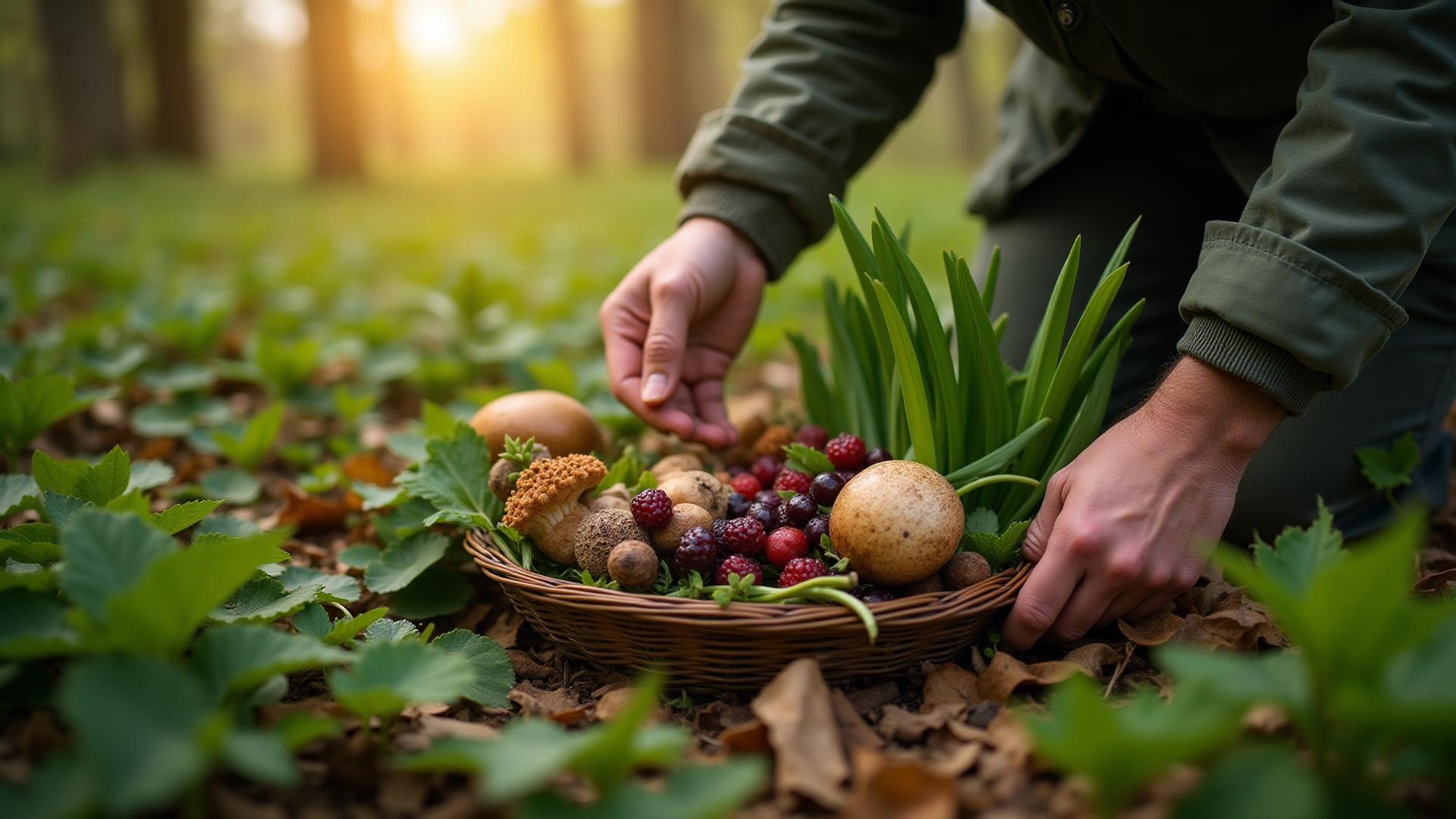
🪓 Introduction: When the Supermarket Shelves Go Silent
It's 7pm, the storm's taken out the grid, and the corner shop looks like a zombie film. No Wi-Fi. No Deliveroo. Just you, your boots, and the humbling realisation that dinner is now your problem.
That's when the prepared become the providers.
Foraging — the ancient art of finding your next meal in the wild — isn't just for beardy blokes in tweed trousers anymore. It's a core UK prepping skill, combining nutrition, outdoor awareness, and a healthy respect for nature (and the laws that keep you from eating it all).
So grab your rucksack and let's explore what's actually edible in the British countryside — and what will make you wish you'd packed a tin of beans instead.
🌿 Why Foraging Matters for UK Preppers
Foraging isn't about "free food" — it's about self-reliance and knowing your environment. In an emergency or prolonged supply disruption, wild edibles provide:
- A source of vitamins and minerals when rations run low.
- A psychological boost — fresh food when everything else is tinned.
- A connection to your surroundings, which keeps panic at bay.
And best of all, it's legal (mostly). The UK's Wildlife and Countryside Act 1981 allows you to forage common plants and fungi for personal use — just not rare or protected species, or from private land without permission.
So yes, you can pick dandelions. No, you can't dig up your neighbour's ornamental carrots.
🌼 The Big Four: UK Wild Foods That Could Save Your Stomach
Let's face it — if you're new to foraging, you're not going to turn into Bear Grylls overnight. So here's a realistic list of high-confidence wild foods that even beginners can identify (and enjoy).
🧄 Wild Garlic (Allium ursinum)
- Season: March–June
- Where: Shaded woodlands and riverbanks across the UK.
- ID Tip: Broad, soft green leaves with a distinct garlicky smell (you can't mistake it).
- Use: Crush into butter, soups, or wraps.
- Warning: Don't confuse with Lily of the Valley — it's toxic and smells nothing like garlic.
💡 Prepper Tip: Dry wild garlic into flakes — it stores for months and adds a morale-boosting hit of flavour to bland ration rice.
🌿 Nettles (Urtica dioica)
- Season: March–September
- Where: Virtually everywhere (and yes, they'll find you first).
- ID Tip: Jagged leaves with stinging hairs; young tops are tender and edible.
- Use: Boil or steam to neutralise the sting. Great for soups or as "wilderness spinach."
- Nutrition: High in iron, calcium, and vitamin C.
🔥 Humour Break: Every UK prepper who's ever been stung by a nettle learns humility. Consider it nature's handshake.
🍓 Blackberries (Rubus fruticosus)
- Season: August–October
- Where: Hedges, brambles, woodland edges.
- ID Tip: Obvious — if it looks like a blackberry and tastes like one, it is one.
- Use: Eat raw, dry for snacks, or cook into a survival crumble.
- Tip: Combine with rose hips (Vitamin C bomb) for immune support.
🧺 Storage Hack: Dehydrate blackberries for a sweet trail ration. Combine with nuts for a homemade "prepper mix."
🌰 Hazelnuts (Corylus avellana)
- Season: August–October
- Where: Woodland edges, especially in the south of England.
- ID Tip: Small clusters of green nuts in papery husks.
- Use: Roast or crush for protein; grind into meal for energy bars.
💪 Survival Angle: Nuts store for months — nature's tinned food.
🍄 Fungi: The Ultimate Gamble
The mushroom world divides preppers into two camps:
- The confident, and
- The deceased.
Fungi are nutritious, versatile, and abundant — but deadly lookalikes make it the riskiest foraging category.
Safe UK options for experienced foragers only:
- Chanterelles (apricot smell, ridged underside, golden)
- Field mushrooms (white gills turning pink to brown, grassy meadows)
- Puffballs (pure white inside = edible; yellow/brown = bin it)
Avoid:
Death Cap, Destroying Angel, and anything you can't name.
⚠️ Golden Rule: "If in doubt, leave it out."
Learn from the foraging course company guide: https://www.foragingcoursecompany.co.uk/mushroom-foraging-guide
🌾 Edible Weeds That Mock the Modern Diet
Some of the "weeds" you've been pulling up your whole life are actually superfoods.
| Plant | Taste | Notes |
|---|---|---|
| Dandelion (Taraxacum officinale) | Bitter leaves, coffee-like roots | High in potassium, diuretic, good for digestion |
| Plantain (Plantago major) | Mild, cucumber-like | Great wound dressing too |
| Chickweed (Stellaria media) | Crisp, nutty | Perfect for salads and omelettes |
| Cleavers (Galium aparine) | Sticky when raw, spinach-like when boiled | Detoxifying, high vitamin C |
🥬 Humour aside: Chickweed salad might not beat Nando's, but when everyone else is eating cold beans, you'll feel like a Michelin-star prepper.
🌊 Seaside Foraging: Coastal Survival Gold
The British coastline is an edible treasure chest — if you know what to look for.
🌿 Seaweed (Kelp, Dulse, Laver)
- Found: Exposed rocks at low tide.
- Prep: Rinse, dry, and toast.
- Nutrition: Iodine, protein, and salt replacement.
🦪 Shellfish
- Found: Mussels, cockles, limpets (avoid during heatwaves).
- Prep: Always boil; never eat raw in summer (risk of algal blooms).
🌱 Samphire
- Found: Mudflats and marsh edges.
- Taste: Salty asparagus.
- Prep: Steam lightly or pickle.
🐚 Tip: Follow WildFoodie's foraging UK shellfish guidance: https://www.wildfoodie.co.uk/post/foraging-uk-shellfish-safely
🧭 Foraging Safety: How Not to End Up on the Evening News
Foraging can feed you — or hospitalise you. Here's how to avoid turning your prepping adventure into an NHS statistic:
- Never eat unidentified plants or mushrooms.
- Use three separate sources (book, photo, app) before eating anything new.
- Harvest away from roads, dog walking areas, or farmland sprays.
- Leave roots intact — take only what you need (regrowth matters).
- Respect private land laws — and the odd grumpy farmer.
Recommended references:
- Woodland Trust: https://www.woodlandtrust.org.uk/
- Wild Food UK: https://www.wildfooduk.com/
🍽️ Foraging Gear: What to Carry in Your Survival Kit
If you plan to forage seriously, invest in the right tools. You'll need:
- Folding knife or pruning shears
- Foraging basket / breathable bag
- Field ID guide (or offline app)
- Gloves (nettles will get you eventually)
- Water bottle (always clean your finds)
- Notebook (record safe areas & seasonal changes)
🧰 Prepper Bonus: Add a ferro rod and mini stove — you can cook a meal on the move.
🌦️ Foraging in the UK Seasons
Every season offers something different:
- Spring: Wild garlic, nettles, dandelion, chickweed.
- Summer: Berries, herbs, elderflowers, edible weeds.
- Autumn: Mushrooms, nuts, roots, apples, hips.
- Winter: Pine needles (vitamin C tea), seaweed, and inner bark (emergency calories).
🌲 Fun fact: Pine needle tea contains more Vitamin C than an orange — and it's caffeine-free. (Just don't mistake yew needles — they're deadly.)
🧠 The Prepper's Mindset: Don't Just Survive — Thrive
Foraging isn't scavenging. It's a skill that turns panic into purpose. In a crisis, while others queue at empty petrol stations, you'll be out in the hedgerows, collecting dinner and confidence.
It's also a lifestyle shift: reconnecting with the land, learning the rhythms of the seasons, and rediscovering the fact that food doesn't always come in plastic.
"Foraging teaches you to slow down, look closer, and remember that the world still provides — if you know where to look."
Ready to Build Your Emergency Preparedness Kit?
Download our free Essential Prepping Checklist and start building your survival strategy today.