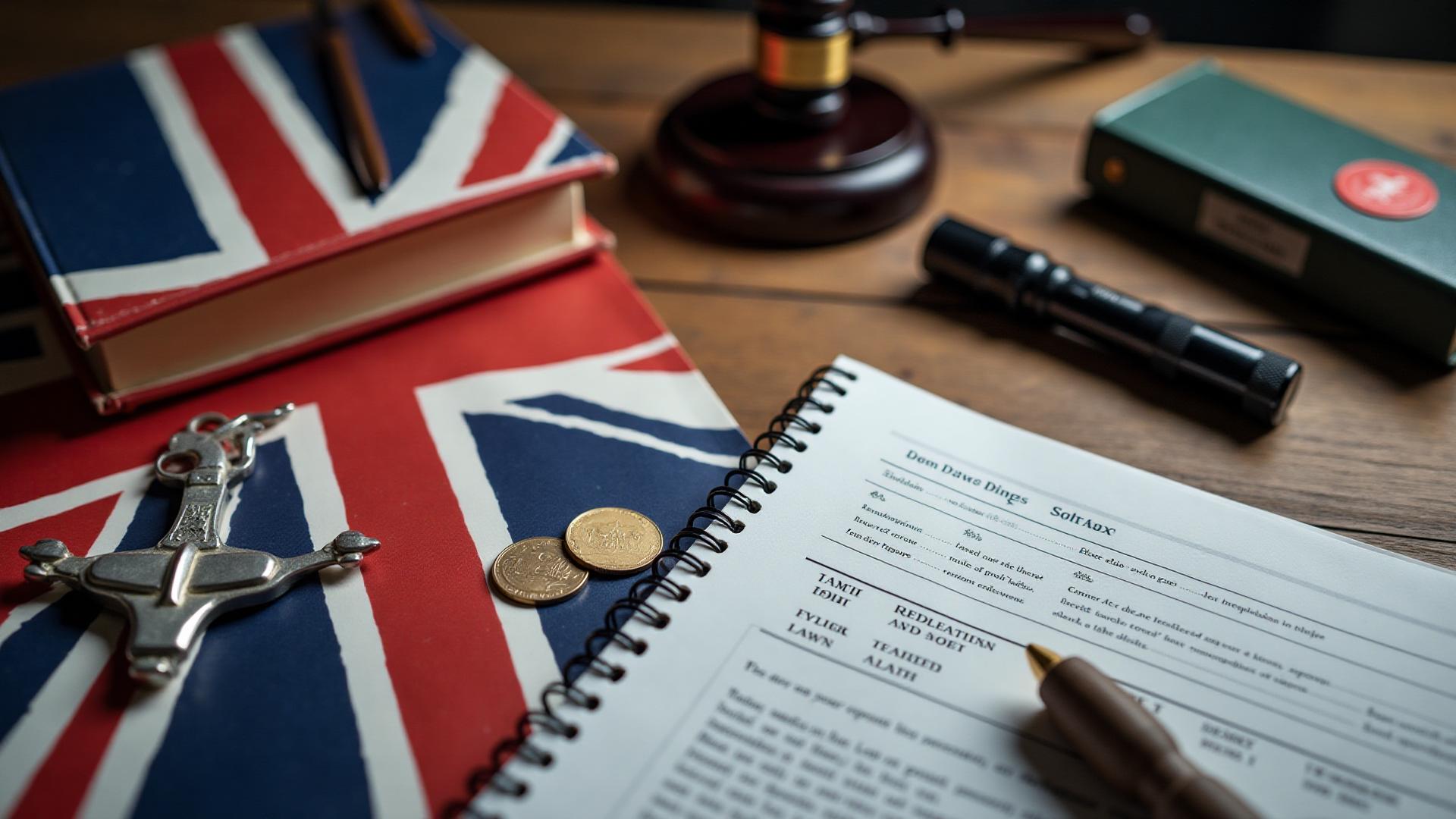
The Hidden Legal Landscape of UK Prepping — What You Can & Can't Do (Before It's Too Late)
Navigate the legal terrain of British prepping: what the statutes say, where people misread the rules, and how to stay safe and ready within the law.
You're stacking tins. You've got extra water jerry-cans. You're brushing up on "bug-out" bags and power cuts. But one detail slips past most prepper checklists: the law.
Because prepping in the UK isn't just about gear and mindset—it's about legality. And when you act outside the grey zone, the risk isn't apocalypse—it's legal consequence.
This long-form article maps the full legal terrain of British prepping: what the statutes really say, where most people misread the rules, and how to stay safe and ready. Navigate this terrain and you move from amateur hoarder to competent yet sane British prepper.
Mapping the Legal Terrain of UK Prepping
The UK Legal Framework That Impacts Preparedness
Civil Contingencies Act 2004: Your Rights & the Government's Role
Under this Act, the UK government sets the rules for emergency planning and powers for crisis situations. It also means you have a role—because the law expects individual responsibility.
Insurance, Storage & Private Property: Where Prep Collides With Regulation
Storing large quantities of food, fuel or medical supplies isn't illegal—but without correct permits, inspections or declarations you can trigger fire-safety or planning-permission issues.
Self-Defence, Weapons & Preparedness: Legal Limits You Must Know
The right to defend yourself is complex in UK law. The Criminal Law Act 1967 provides "reasonable force" for self-defence—but weapons stockpiling, crossbows, unlicensed firearms? That's the deep grey.
Why "Prepping ≠ Illegal"… But Often Drifts Into Grey Zones
Stockpiling Food vs "Undue Hoarding"
There's no law stopping you storing weeks of long-shelf-life foods. But if your gear blocks fire exits, violates building safety or causes neighbour complaints—it becomes a liability.
Storing Fuel, Batteries, Grenades of the Stove Kind
Gas cylinders and fuel drums make sense in survival—but most residential leases, housing associations and local planning laws limit quantities and storage methods.
Communications Equipment & Off-Grid Tech: Privacy vs Regulation
Ham radios? Legal. Encrypted gear? Legal. But unlicensed transmissions or building alterations can trigger wireless violations or landlord issues.
What You Can Do: Legal Prepping That Doesn't Raise Eyebrows
Law-Smart Prep Moves for Everyday Resilience
Inventory & Receipts: Documentation Matters
If you were questioned, being able to prove you acquired equipment legally, via receipts, pictures and logs, would separate smart prepping from suspicious activity.
Clear Storage, Safe Quantities, Legit Supplies
Keep your stock away from shared corridors, maintain clear fire exits, avoid absurd quantities that breach lease or fire regulation. Comply with building fire-safety standards.
Useable Skills Trump Gear in Legal Eyes
Joining a recognised club (ham radio, shooting, first aid) shows legal compliance. Skill-based prepping often invites less scrutiny than bunker-like stockpiles.
What You Shouldn't Do: Avoiding Legal Traps
Don't Assume "Just in Case" Means Unregulated
Crossbows? Common in prepping videos—but British law heavily restricts ownership, use and storage.
Don't Turn Your Home Into an Unregistered Workshop/Storage Hub
Home prepping is one thing; functioning as a commercial-style storage or trading hub is quite another—and could trigger business-rates or planning law enforcement.
Don't Ignore Neighbours, Lease Terms or Building Rules
Shared buildings often have rules about fuel storage, corridor clarity, noise from emergency gear tests. Ignoring these is where legal issues start.
Navigating Weaponry, Defence & the 'Grey' Tools
What Defence Equipment Is Legal (And When It Isn't)
Self-Defence Equipment: What the Law Says
Under English law, you can defend yourself—but only with "reasonable force" in context. Weapons business in prepping culture often forgets this nuance.
Crossbows, Air Rifles, Firearms: Licensing Requirements
These items are not banned—but tightly regulated. A missing licence, wrong storage, or mis-use can turn preparedness into a criminal file.
Fuel, Batteries & Energy Storage: Hidden Hazards
Fuel drums, lithium-ion banks and DIY solar setups make sense—but they also trigger environmental law, safety inspections, neighbour complaints and fire regulation.
How to Build Defensive Readiness Without Legal Fallout
Documentation and Transparency: Secret Prep Is Riskier Than Quiet Compliance
Label, log, insure. If questioned you'll appear calm and responsible—not paranoid or suspicious.
Community Involvement: Build Trust First
Link your prepping to community resilience. Join local mutual-aid groups or disaster-response volunteers. Legal corridors open when you're visibly part of the solution.
Consult, Don't Assume: Professional Advice Matters
Ask a chartered surveyor about fuel-storage compliance. Visit a weapons club for license info. The cost of ignorance is legal trouble.
The Legal Trends Heading Your Way
Regulation on the Rise: The Prepper's Checklist for Change
Environmental Regulation & Storage Controls
Fuel, waste, energy infrastructure—UK enforcement is tightening. What you store today could be regulated tomorrow.
Electronic Surveillance & Radio Licensing
Unlicensed radios, encrypted comms, DIY drone monitoring: the legal radar is getting sharper around prepping gear.
'Sustainable Citizen' vs 'Independent Prepper' Narrative
UK policy is favouring community resilience over lone-wolf prepping. Bear this in mind when sharing online.
External Sources & Further Reading
Official government guidance on emergency planning and individual responsibilities under UK law.
Comprehensive overview of self-defence legislation and the principle of "reasonable force" in UK law.
Legal requirements for storing fuel, gas cylinders, and hazardous materials at residential properties.
Official guidance on amateur radio licensing and legal communication equipment use in the UK.
Detailed information on weapon licensing, restrictions, and storage requirements under British law.
EODSurvival's Final Word
Prepping within the law isn't about limiting your readiness—it's about protecting it. The most prepared person in Britain is the one who can prove every item was acquired legally, stored safely, and used responsibly. Document your supplies, respect building regulations, engage with your community, and seek professional advice when in doubt.
Legal preparedness is smart preparedness. When the system wobbles, the last thing you need is a knock on the door asking questions you can't answer. Stay informed, stay compliant, and stay ready—that's the EODSurvival way.
Stay Prepared with EODSurvival
Download our latest survival guides and receive new guides directly to your inbox—completely free. Join the prepared community today.